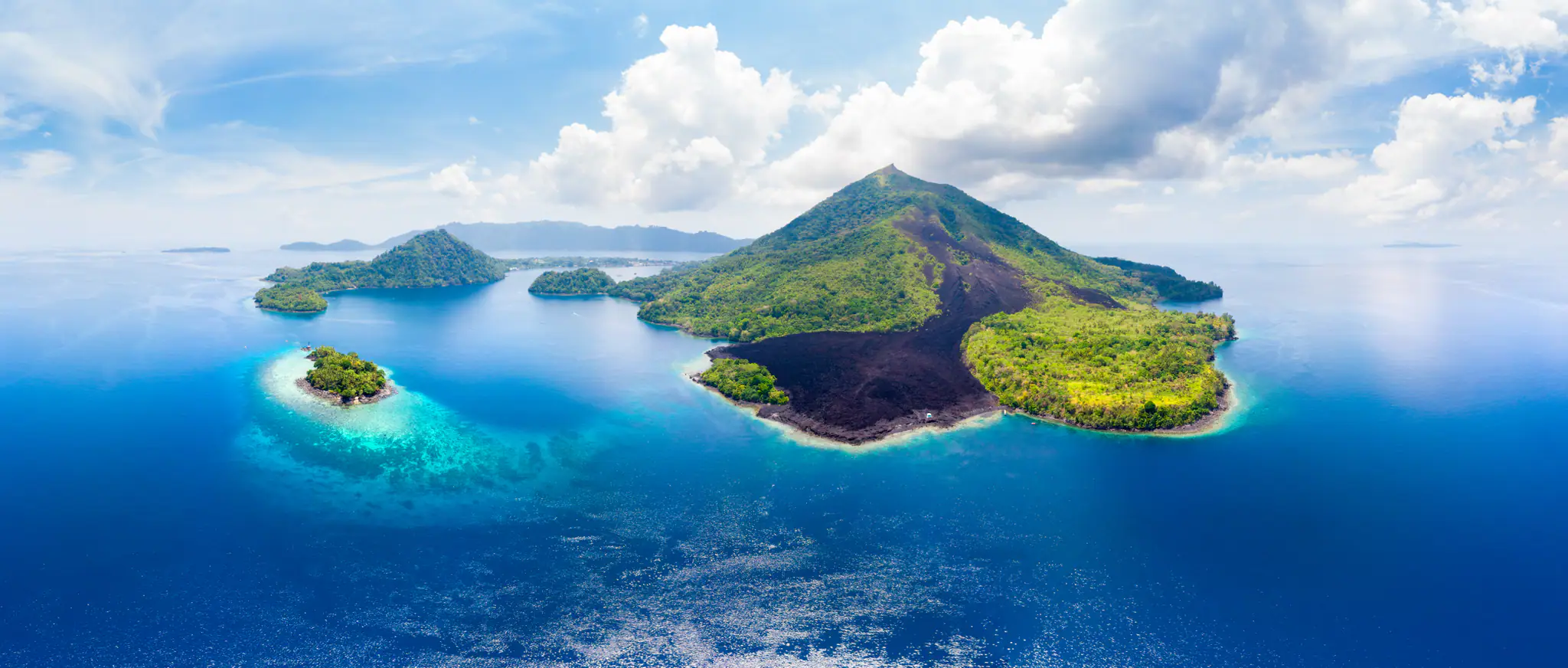
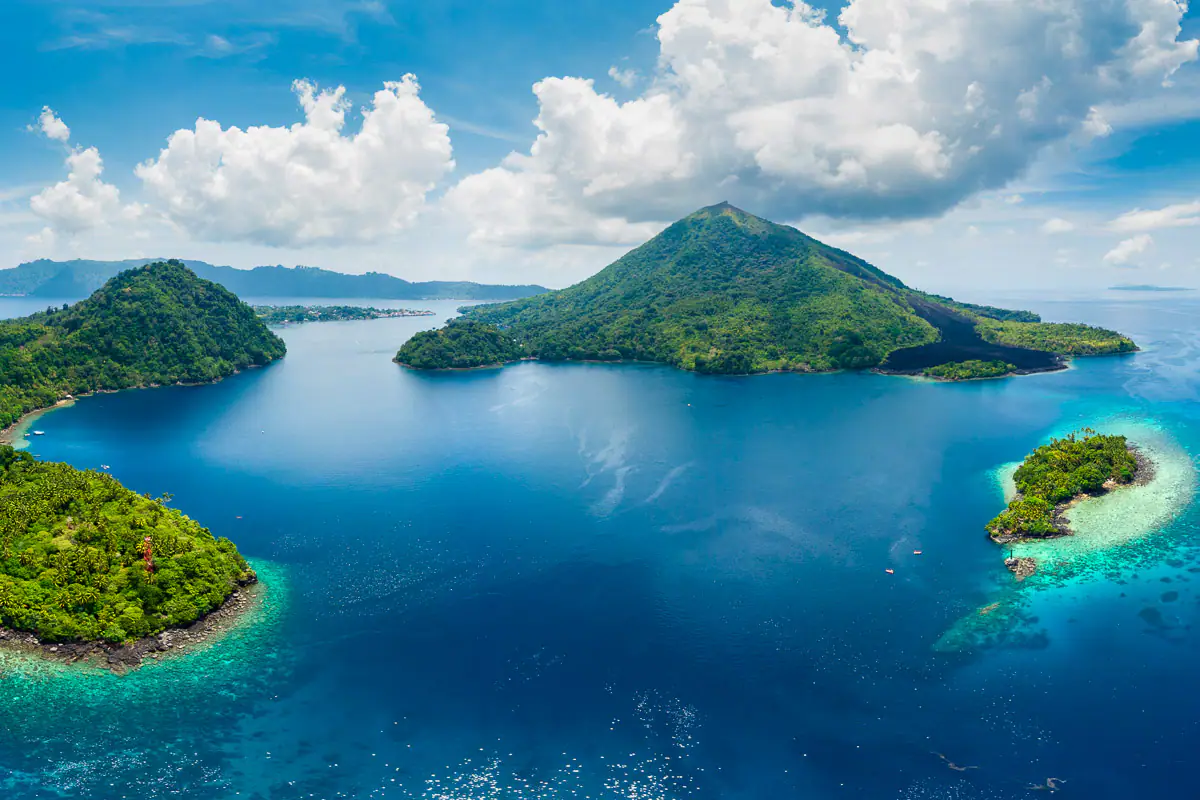
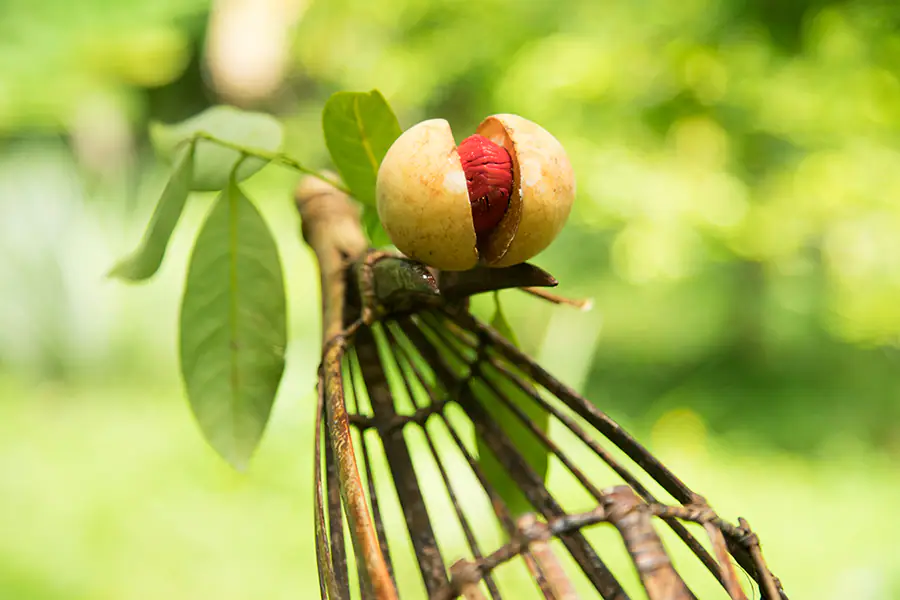
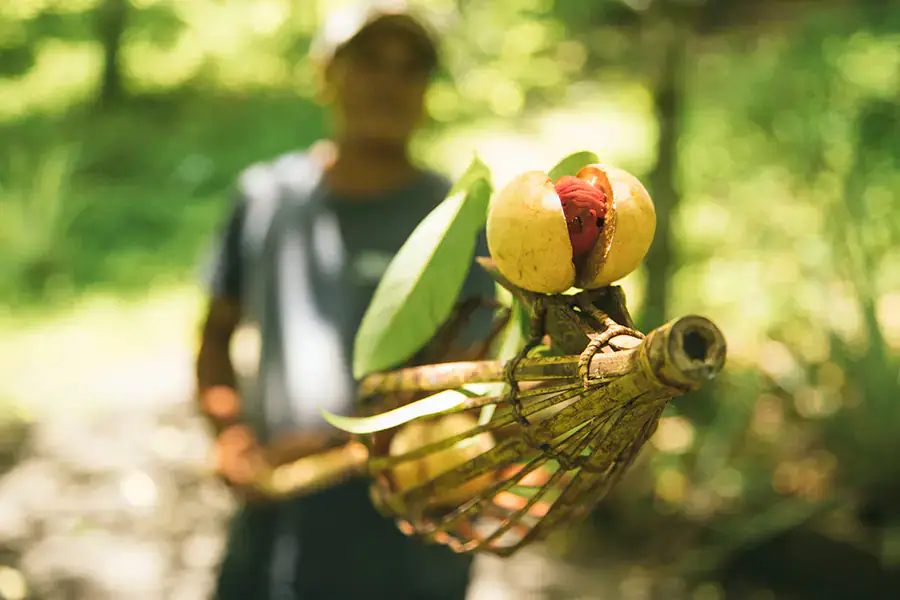
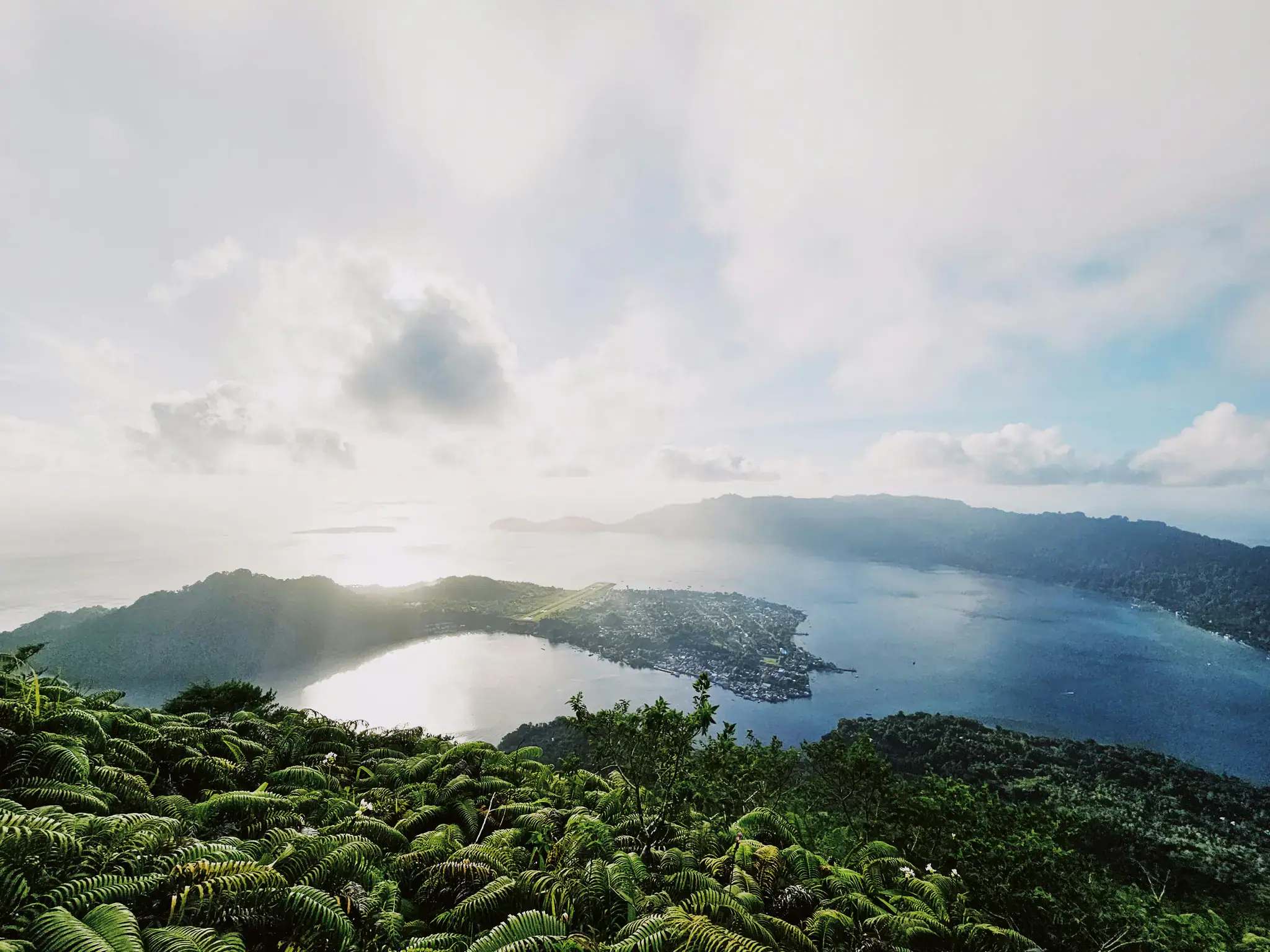
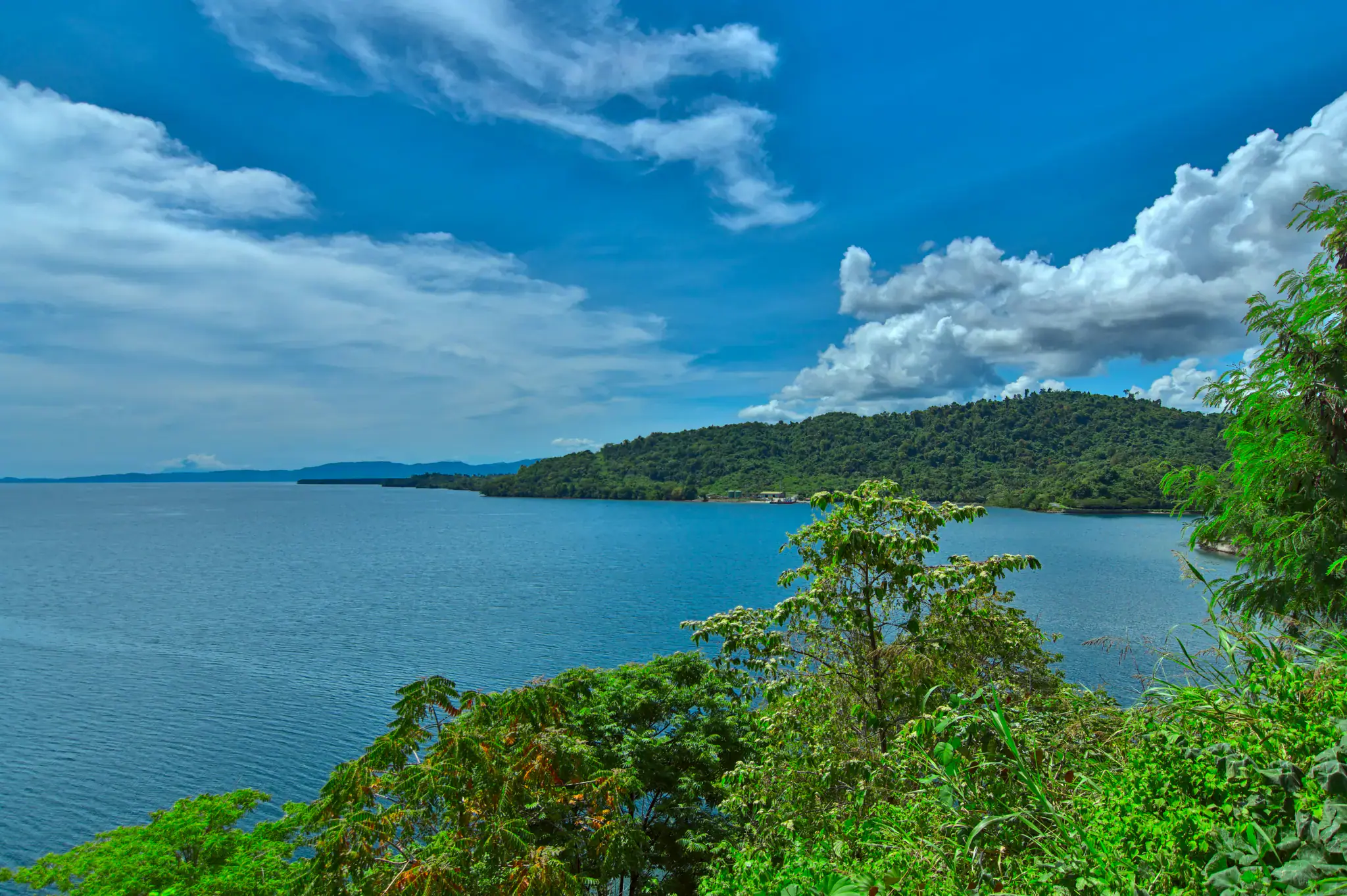
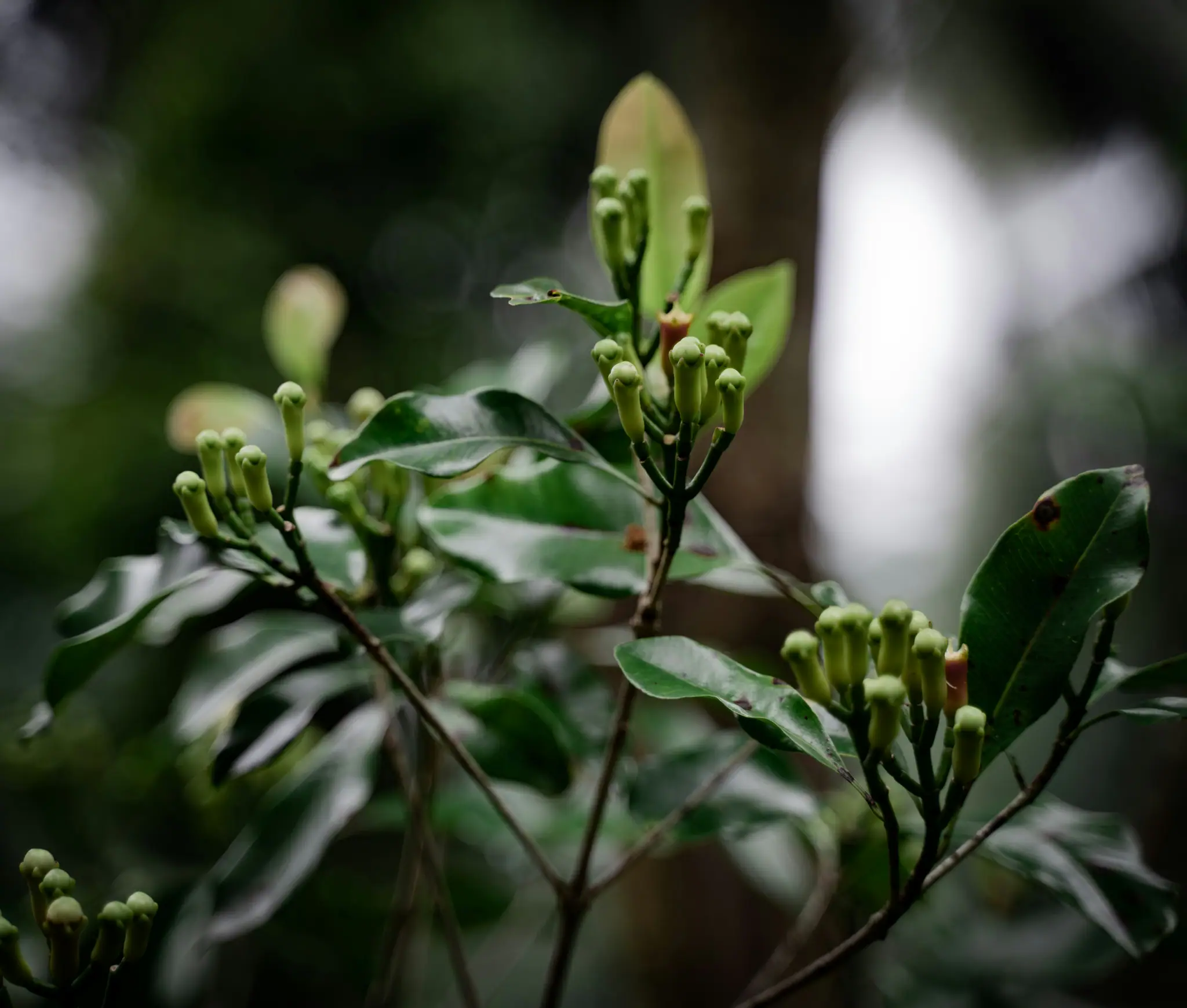
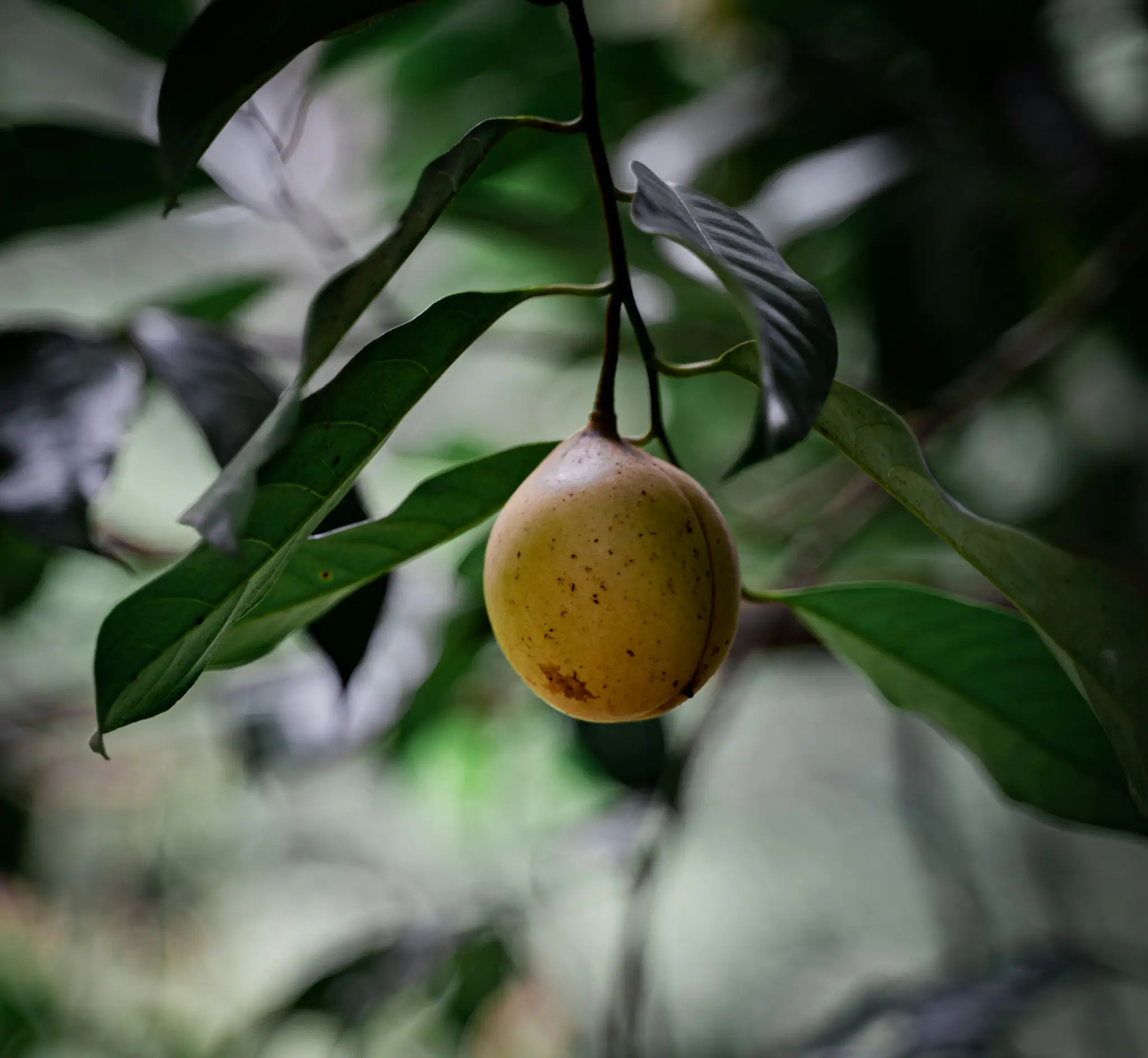
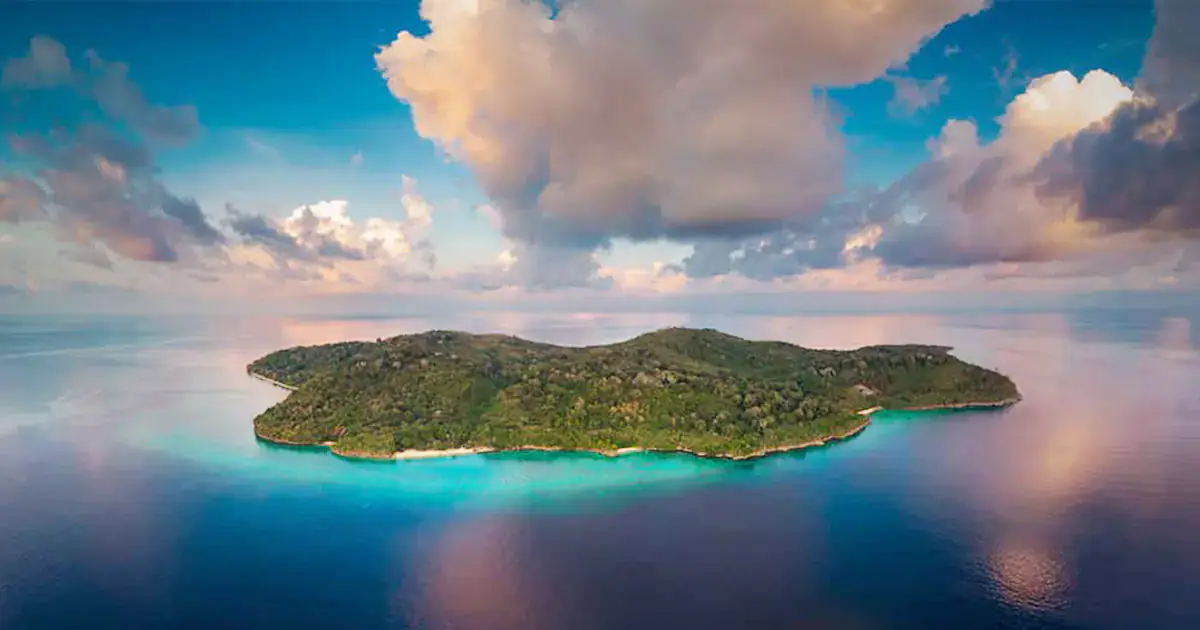
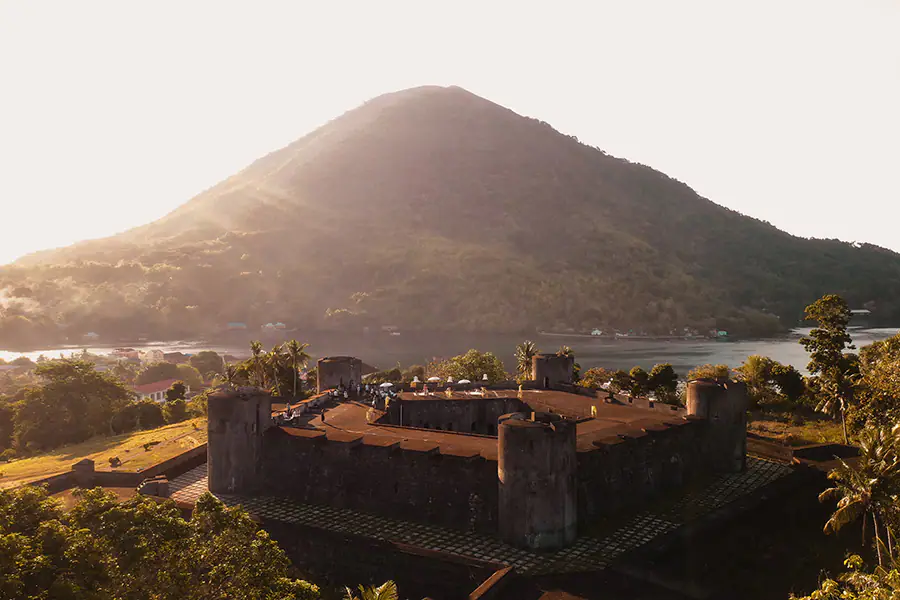
During the height of the international spice trade, these isolated volcanic outcrops held a massive, highly coveted secret: they were the world’s sole and exclusive source of nutmeg and mace.
At the time, nutmeg was prized not merely as a culinary luxury to flavor meats and preserve winter stores for the European elite. It was also widely believed to be a miraculous medical cure-all. Physicians of the era rumored that the aromatic spice could even ward off the devastating effects of the plague. Because of this intense demand and the absolute scarcity of the supply, these spices were literally worth more than their weight in gold.
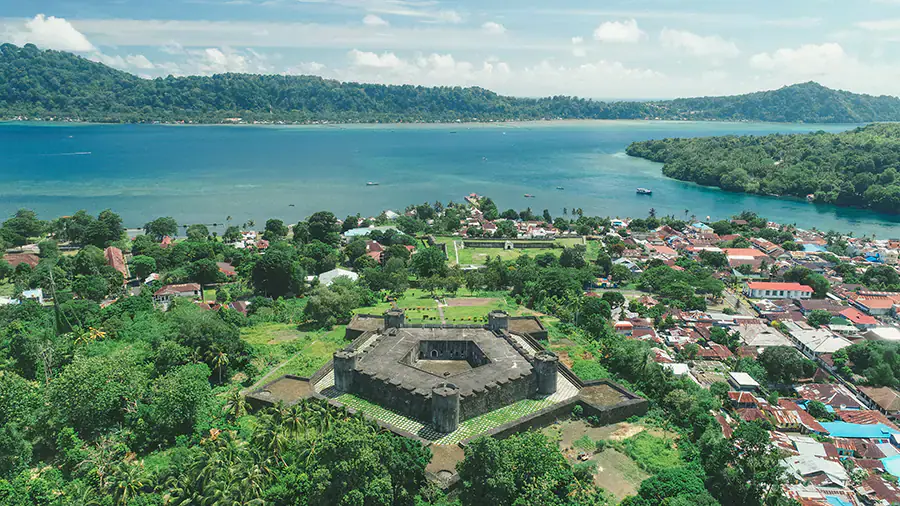
The immense wealth generated by the Banda Islands sparked fierce, bloody rivalries among European superpowers. The Dutch, determined to control the flow of wealth, created a ruthless plantation system on the islands.
They established a brutal monopoly over the global spice trade, sparking centuries of colonization, maritime warfare, and heavily fortified trade routes spearheaded by the Dutch East India Company (VOC), a monopoly that endured until Indonesia’s independence in 1945, long after the VOC itself went bankrupt.
The Trade of Manhattan
The Dutch were not the only superpower competing for control of the spice trade. The British also sought a foothold, negotiating with village leaders on the tiny, remote island of Run to protect them from the Dutch in exchange for a monopoly on their nutmeg production.
The village leader of Run accepted King James I of England as their sovereign, effectively making this small volcanic dot the very first overseas English colony. Meanwhile, the Dutch were so desperate to regain absolute, unbroken control of the global nutmeg supply that they brokered the Treaty of Breda in 1667 to resolve the conflict.
In a historic, world-altering exchange, the British agreed to cede the island of Run back to the Dutch. In return, the British were granted control over a muddy, little-known, far-off Dutch settlement in the New World, a colonial outpost named New Amsterdam, situated on an island we now know as Manhattan, New York City.
Today, the brutal wars over spices have long since ceased. New York went on to become a towering global metropolis and the financial capital of the world, while the Banda Islands slowly faded into tranquil obscurity, perfectly preserved in a state of beautiful isolation.
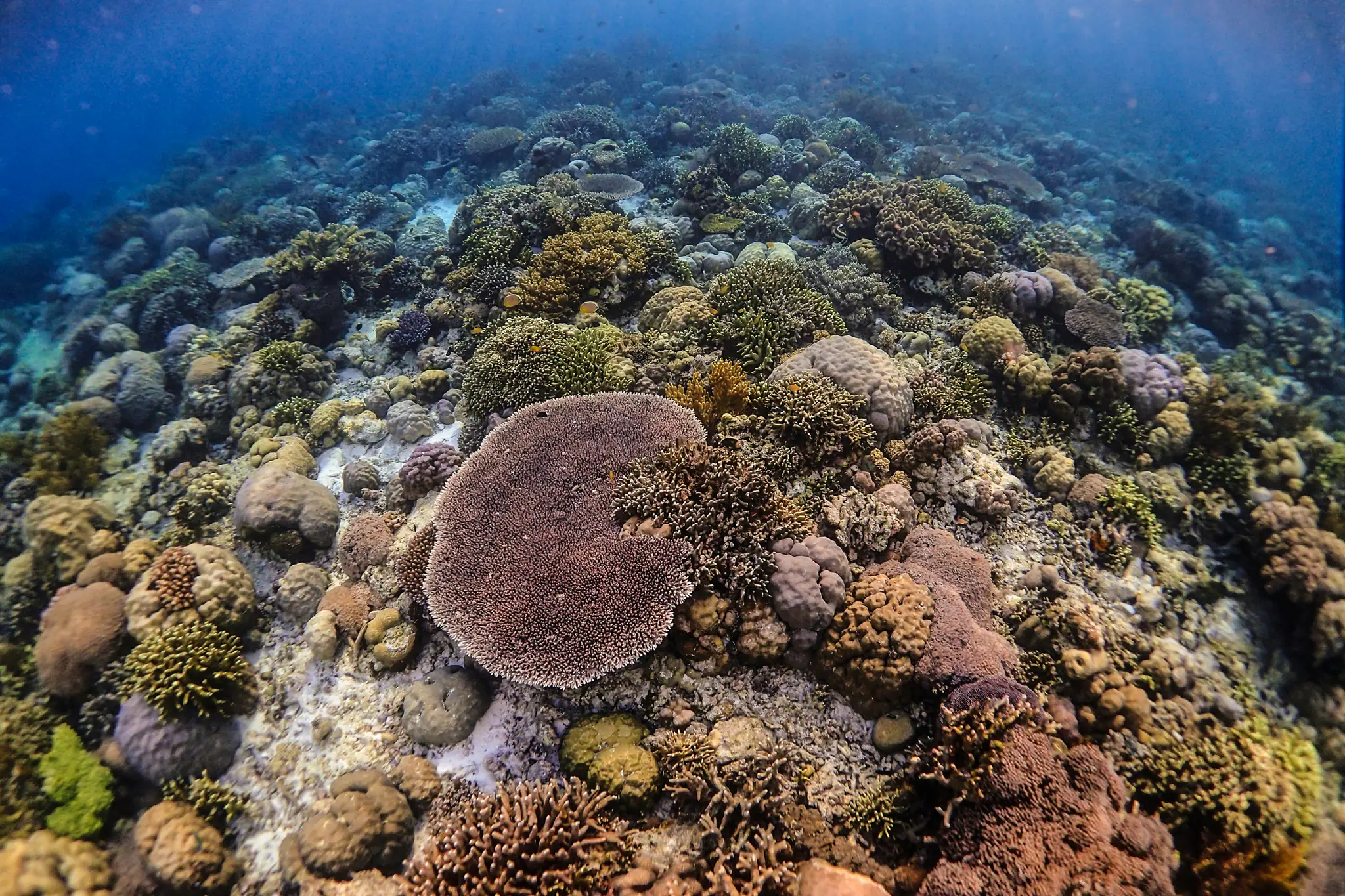
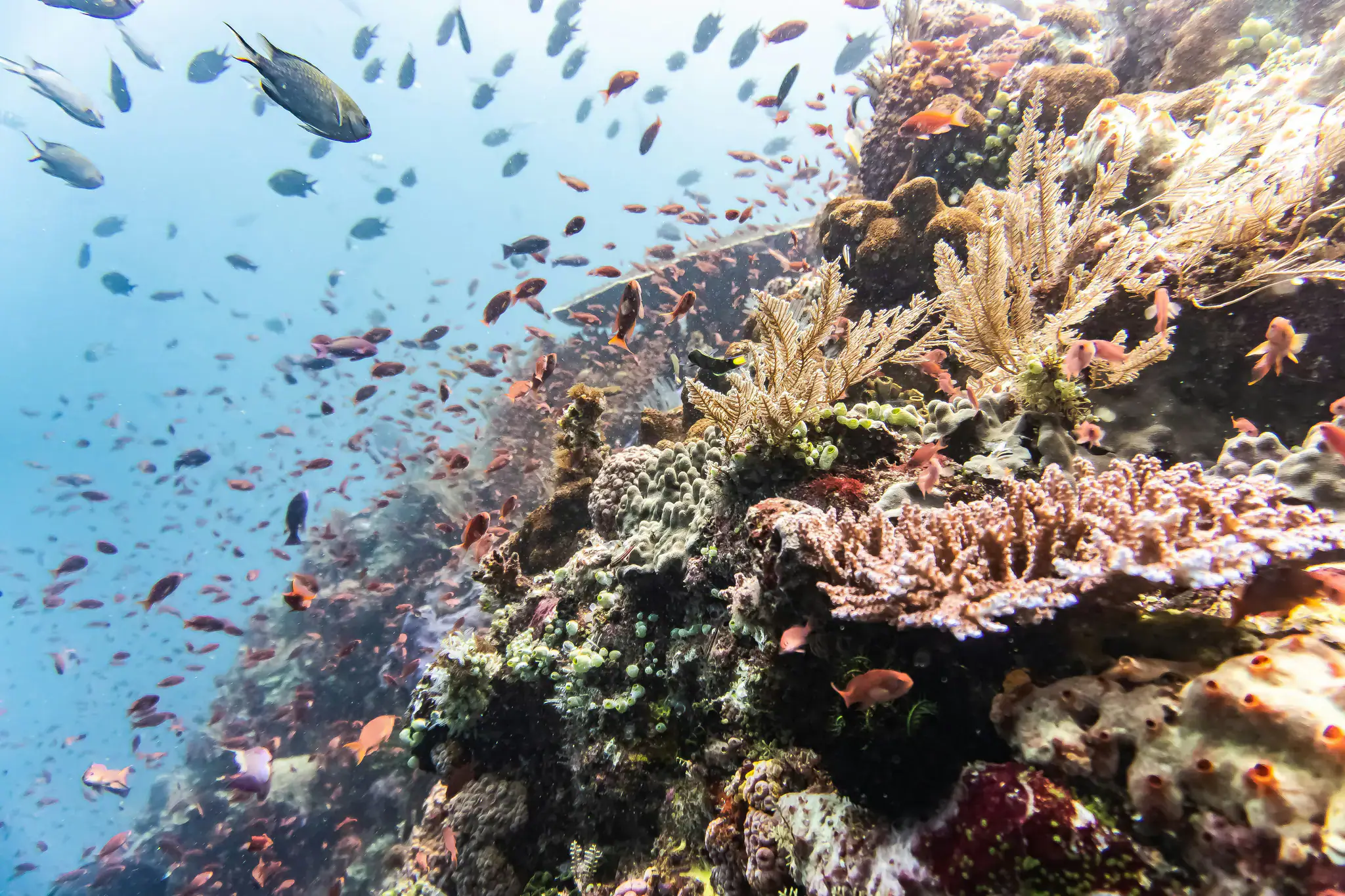
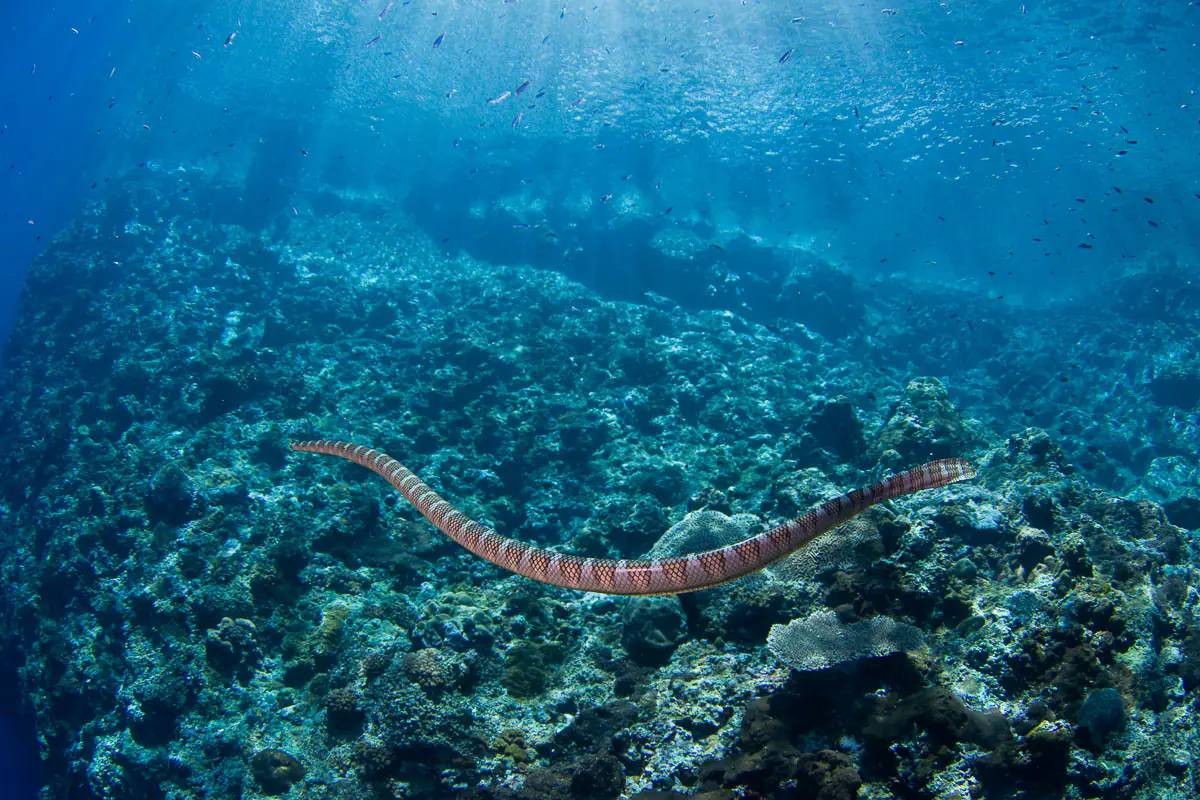
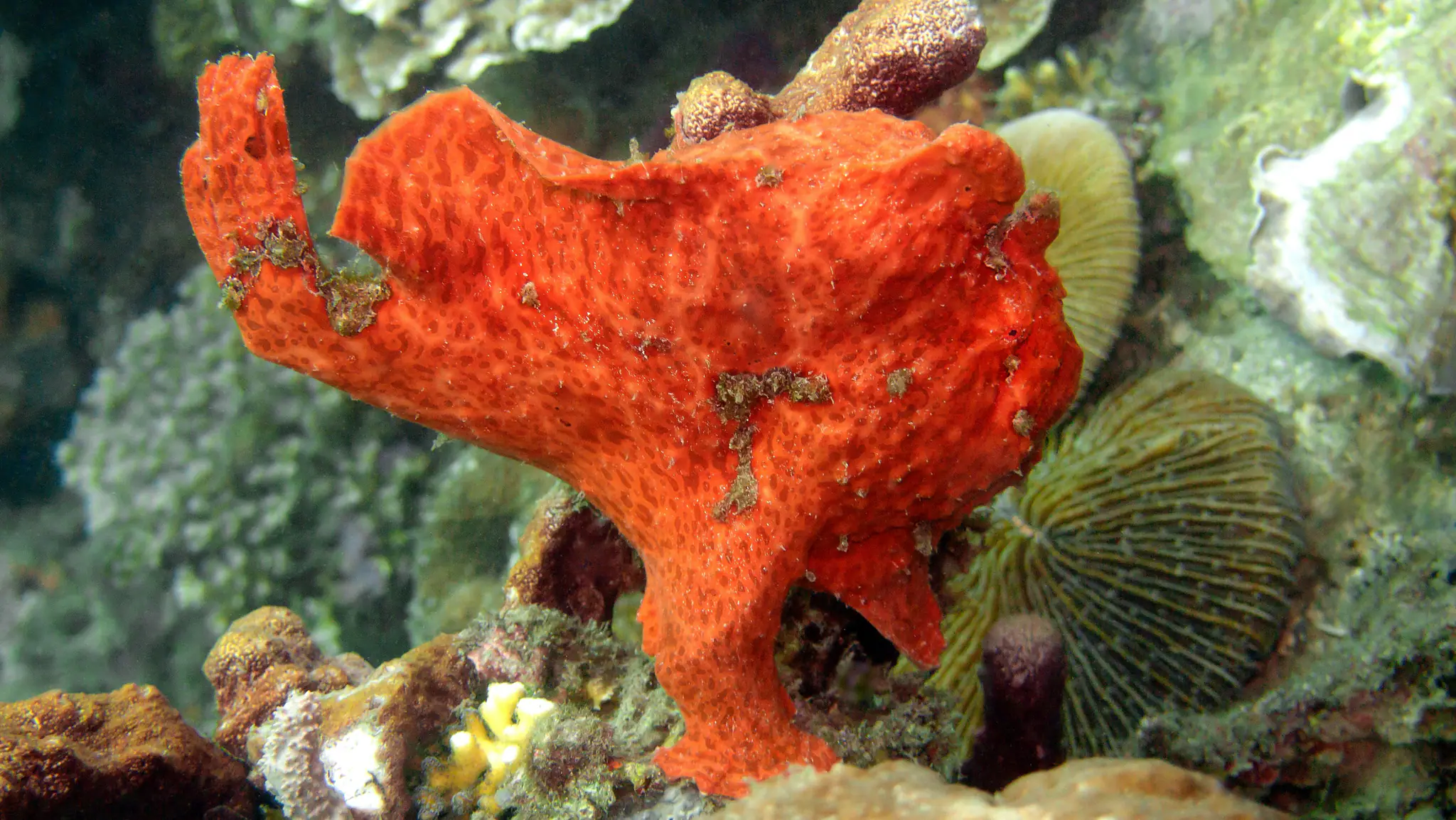
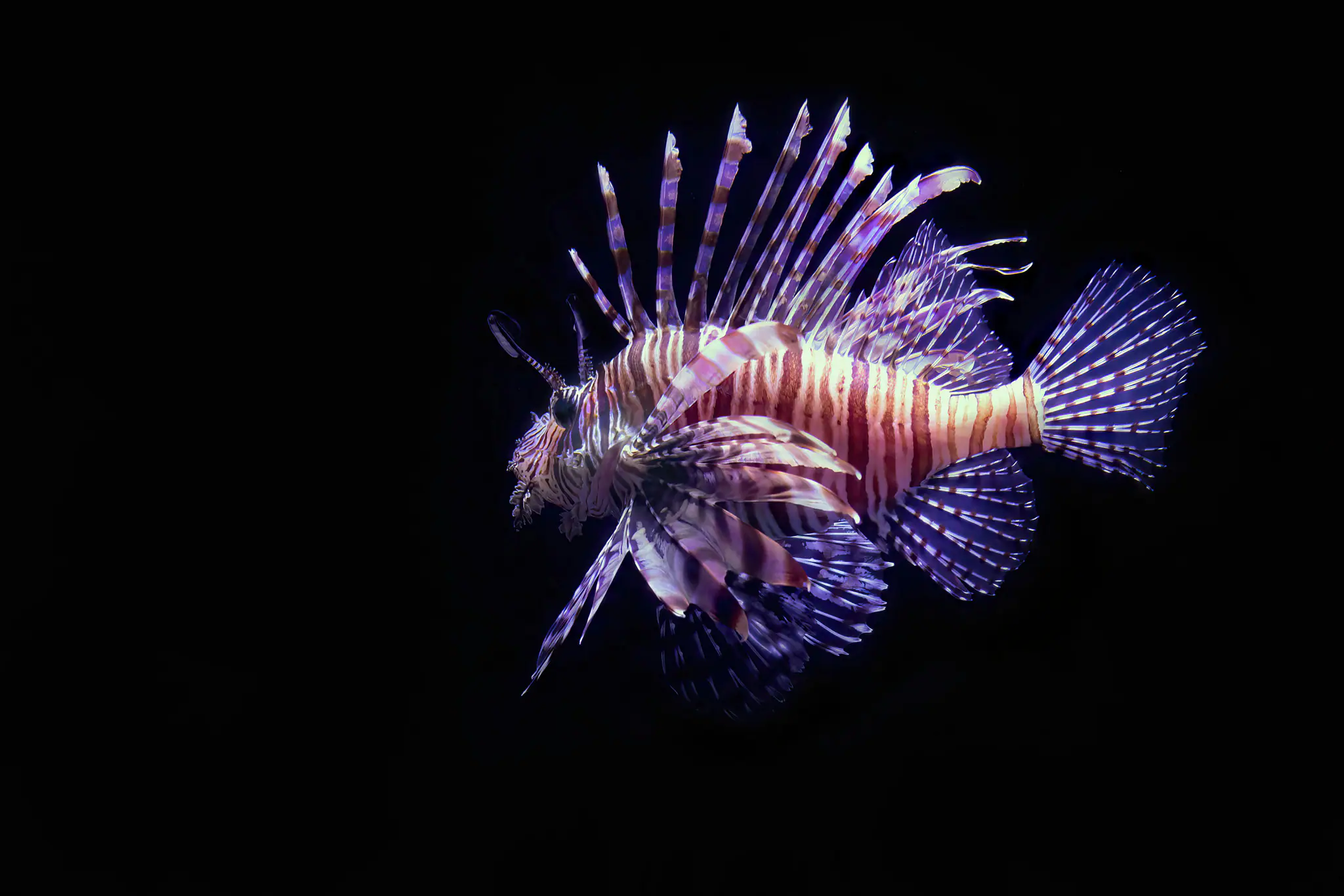
It is precisely this forgotten nature that makes the region so alluring today. It has re-emerged not as a hub of commerce, but as a premier, high-end destination for a Banda Sea liveaboard experience and world-class diving, offering raw natural beauty and a whisper of history on the warm tropical breeze.
Top Things to Do and Best Places to Visit in Banda
The Spice Islands of Indonesia offer a wealth of experiences, perfectly blending high-adrenaline adventure with slow, culturally rich exploration. If you are embarking on a Banda Sea yacht charter, you will experience a diverse array of destinations and activities, including these top highlights.
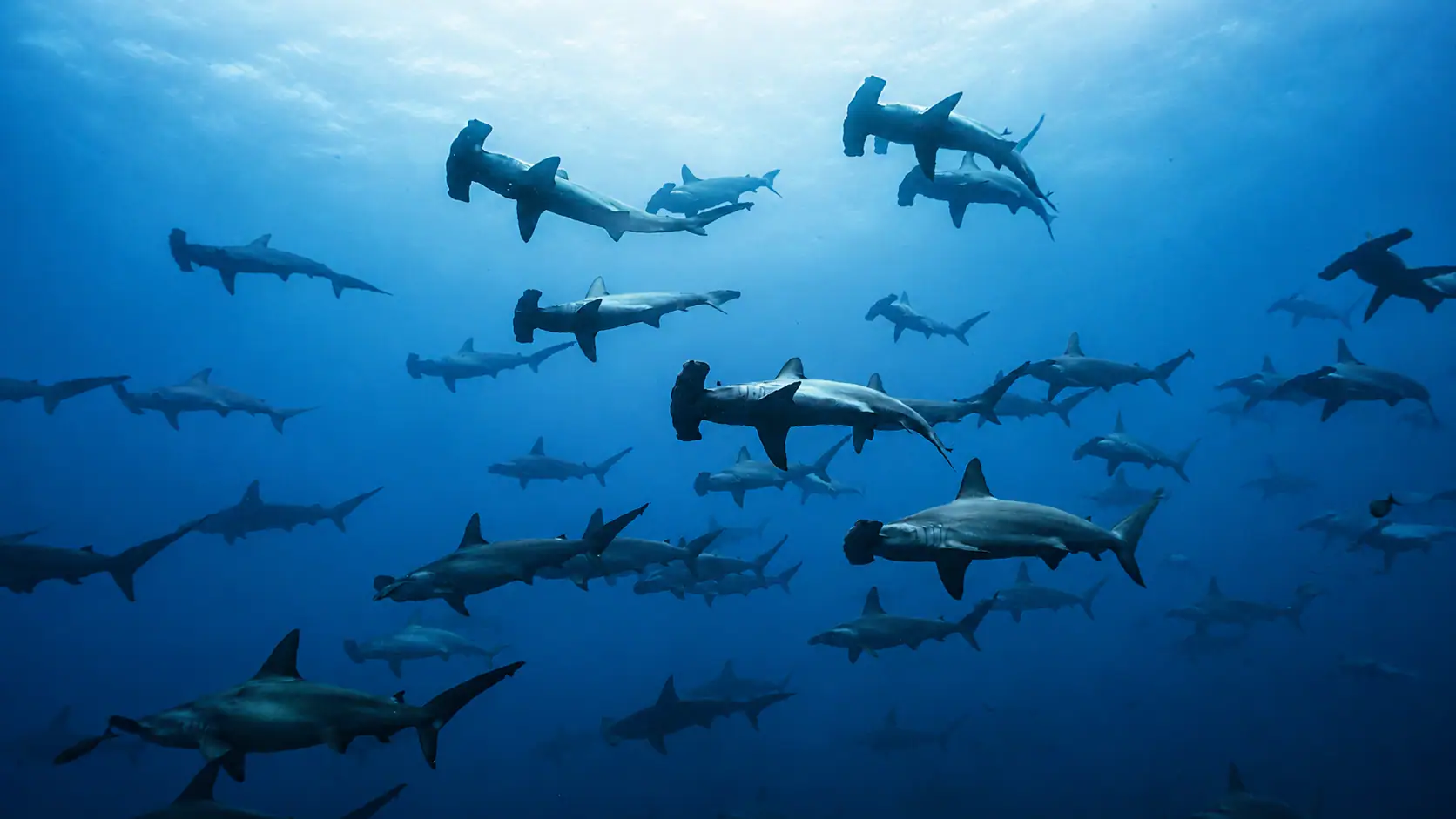
Diving with Hammerhead Sharks