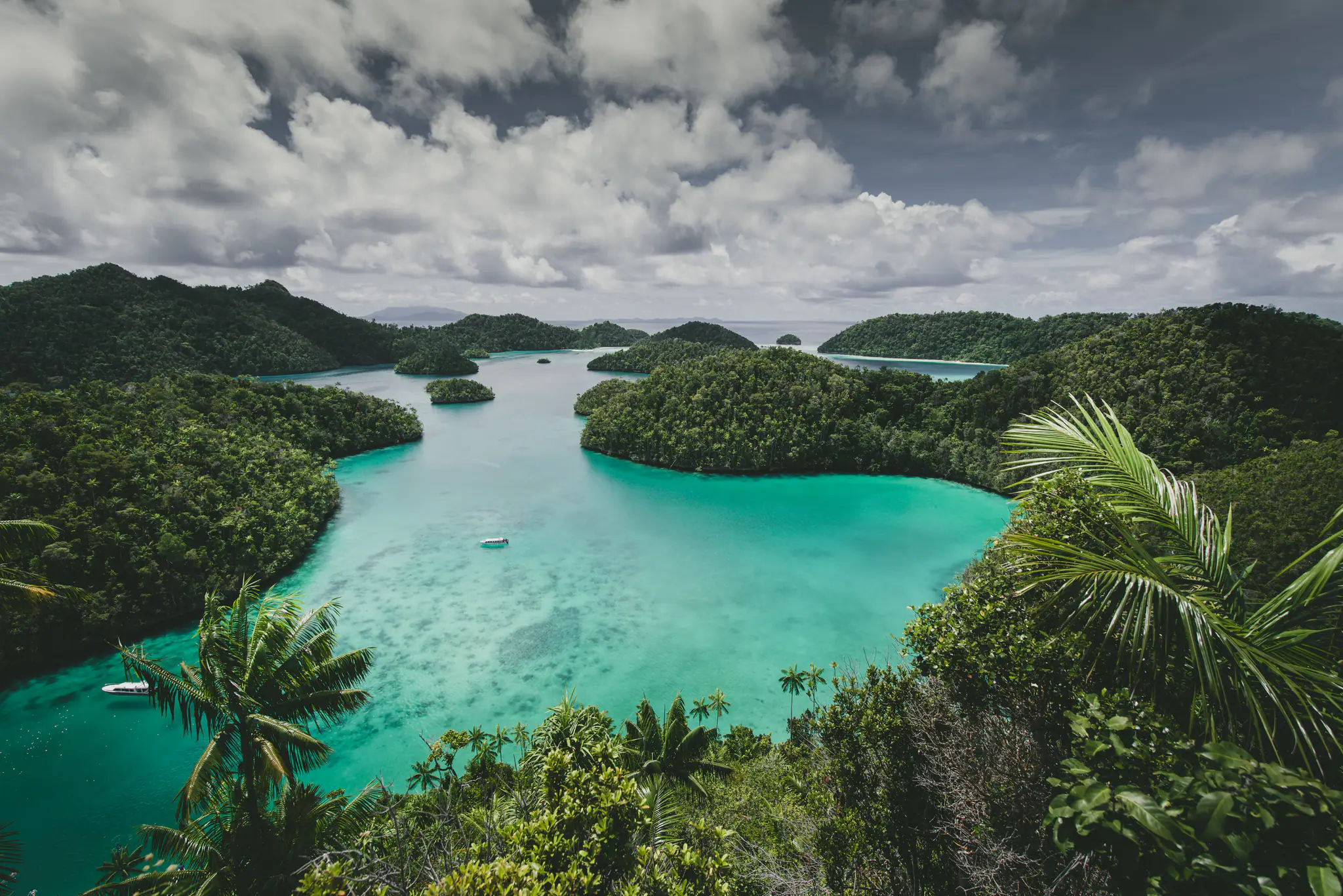
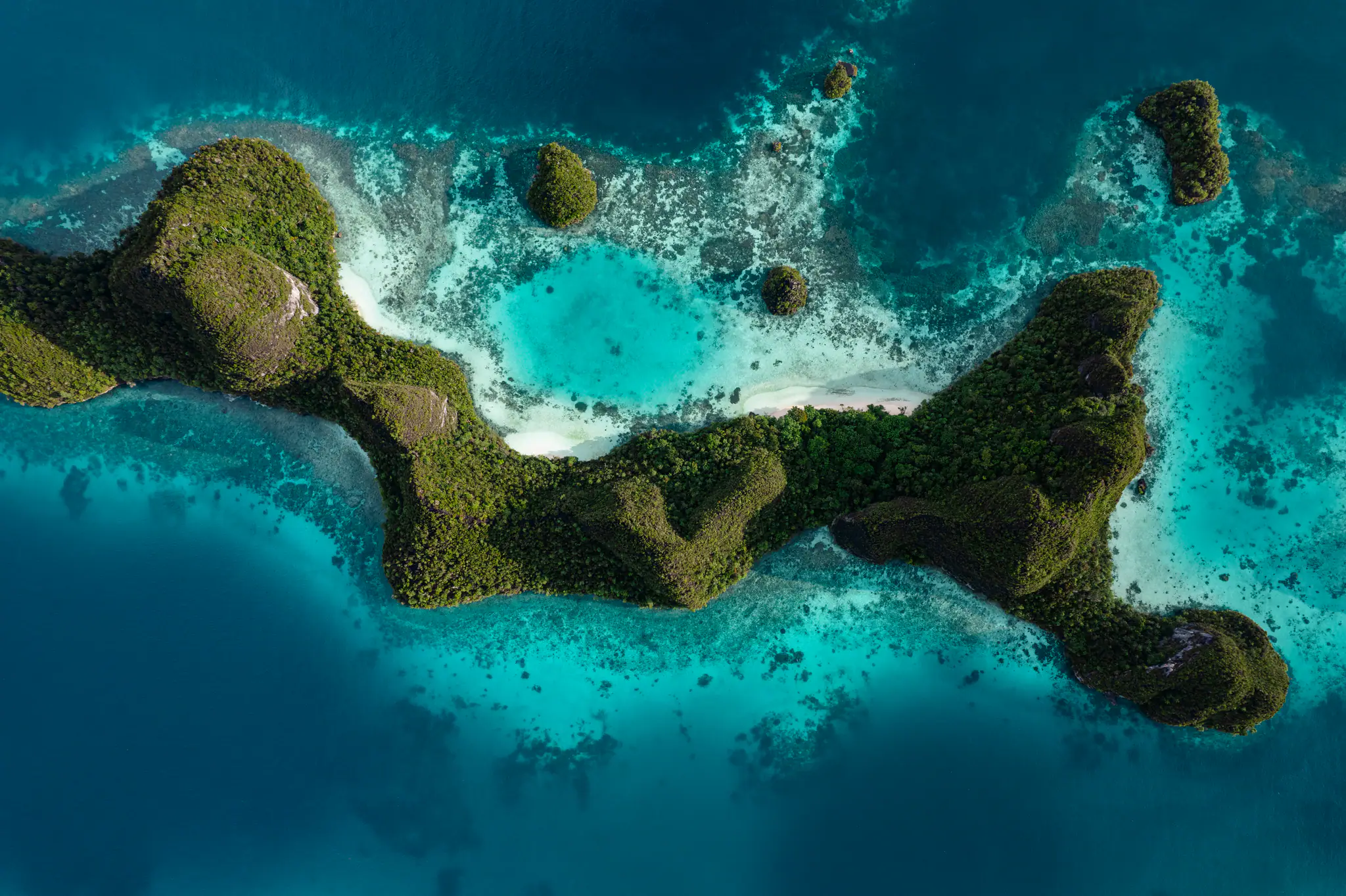
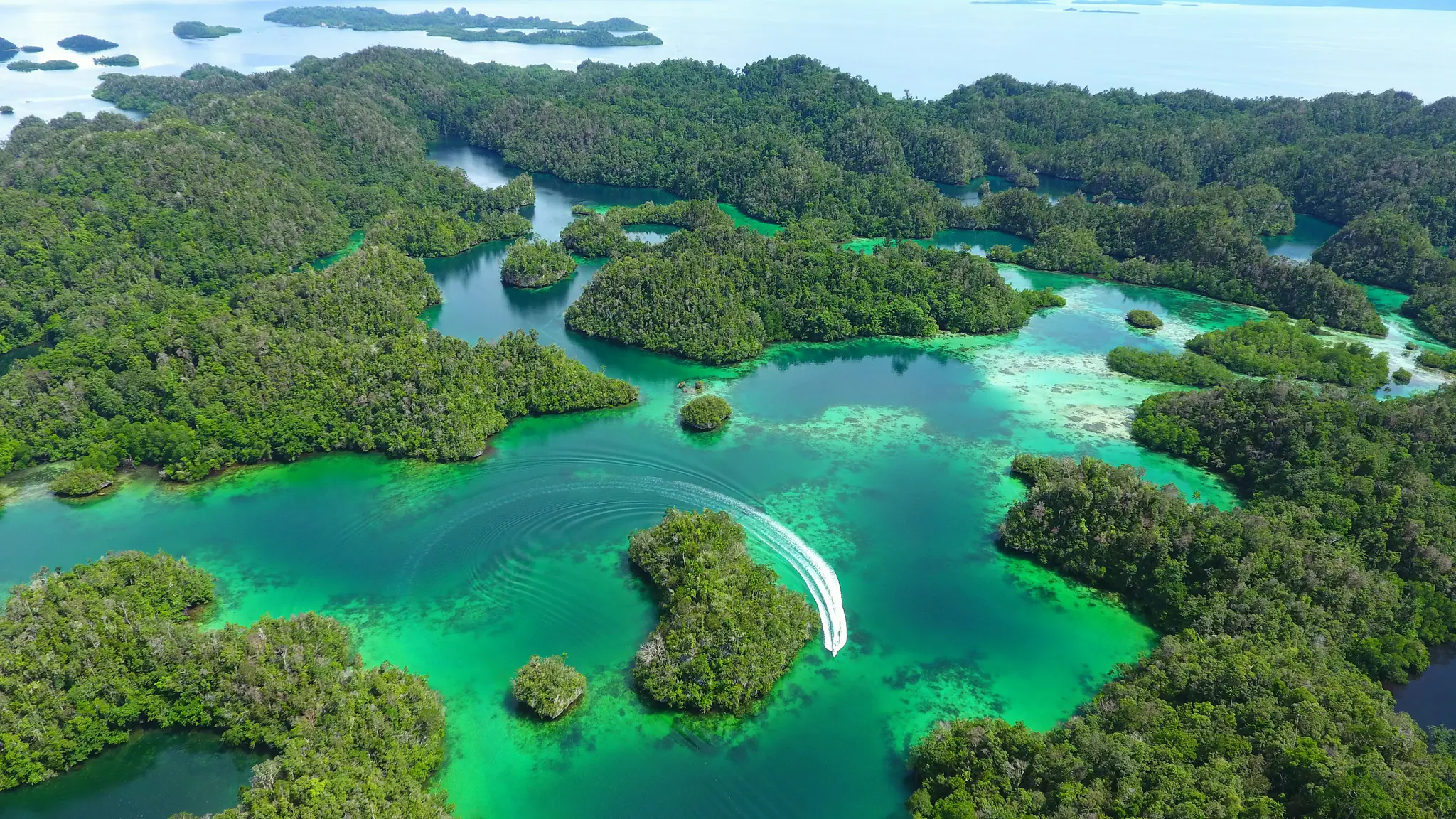
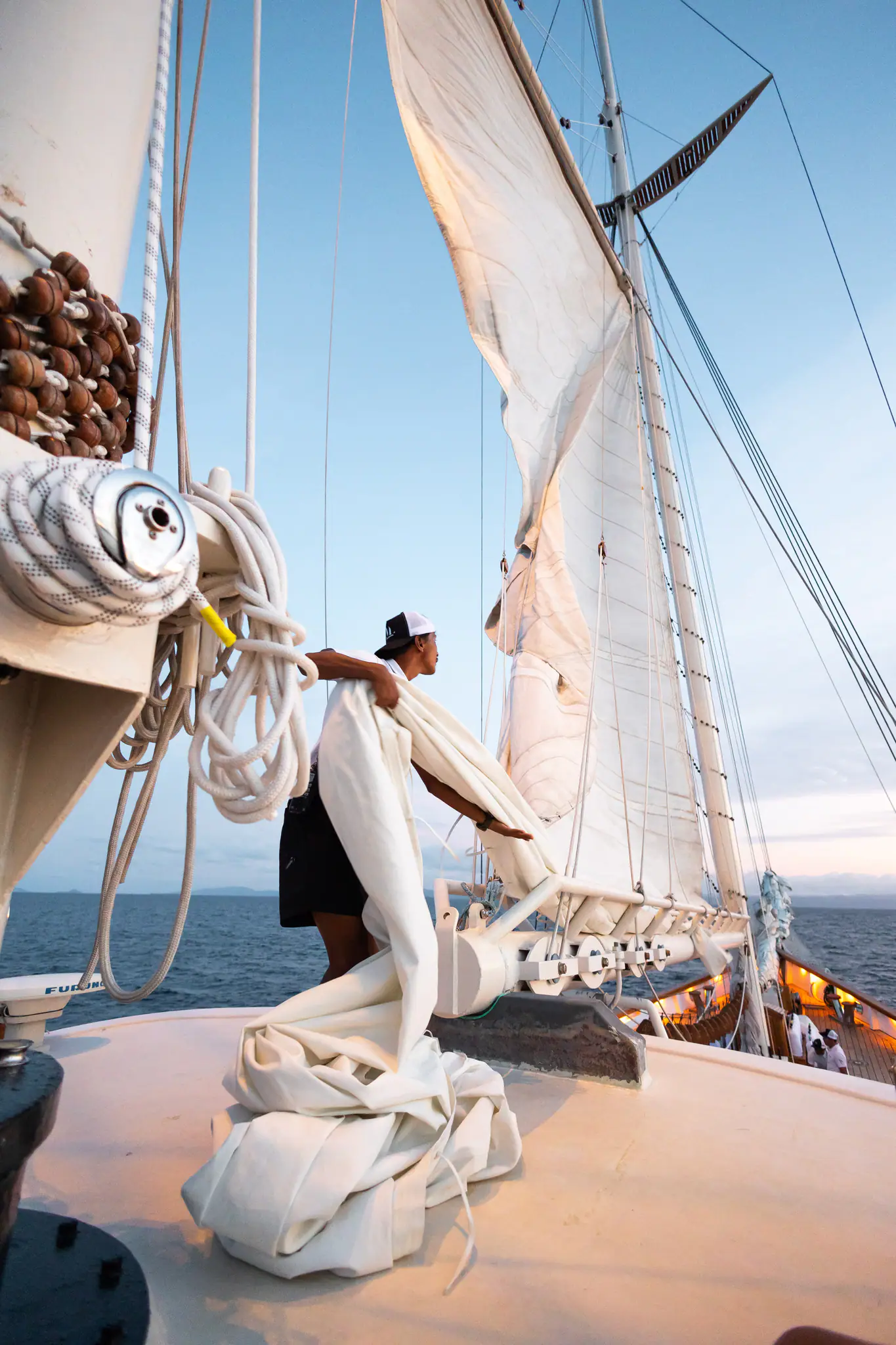
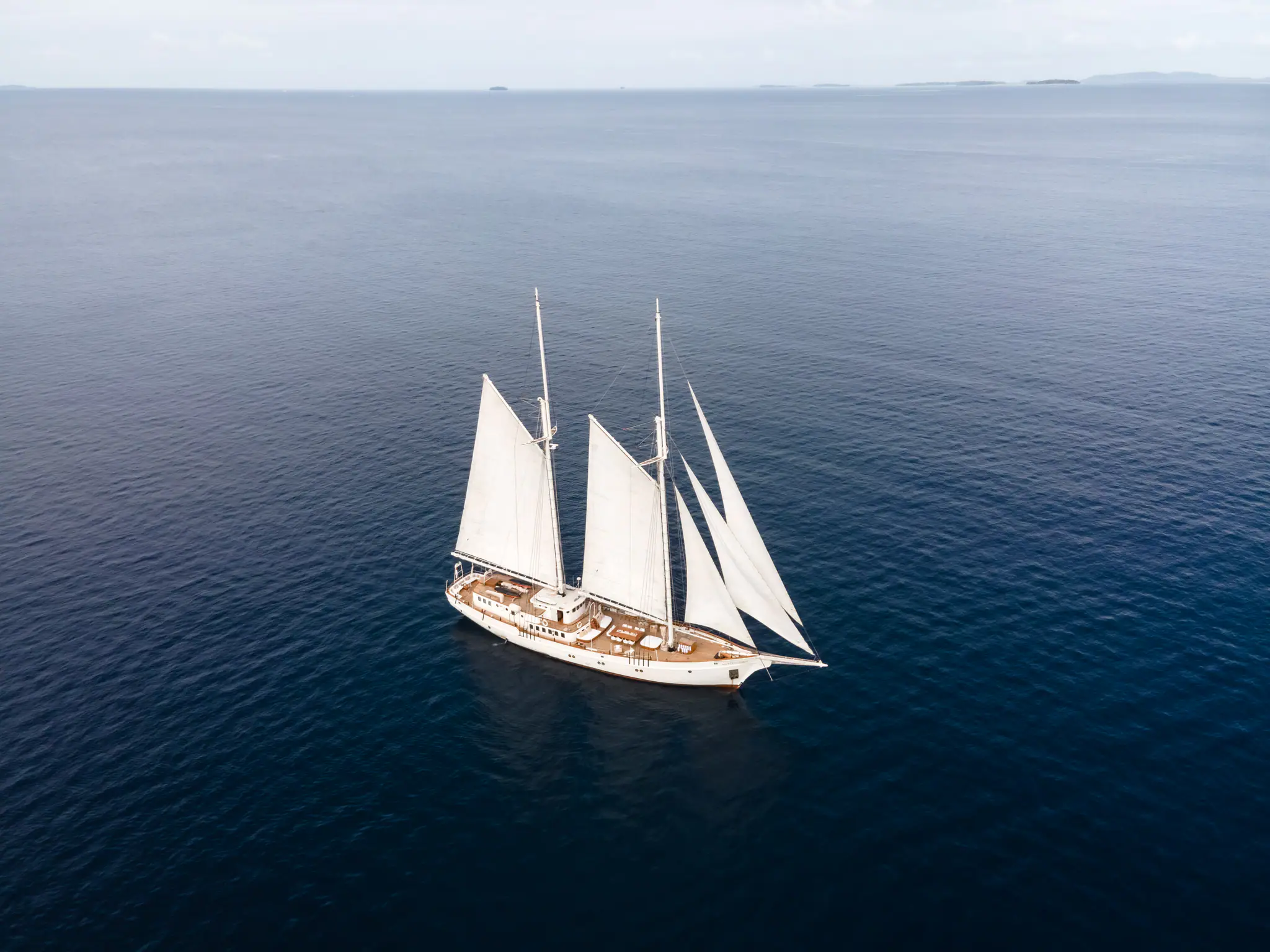
During this golden window (November – April), the Northwest Monsoon brings light winds, minimal rainfall, and calm, glassy seas that allow yachts to access the entirety of the archipelago without restriction. This period is generally considered the best time for diving.
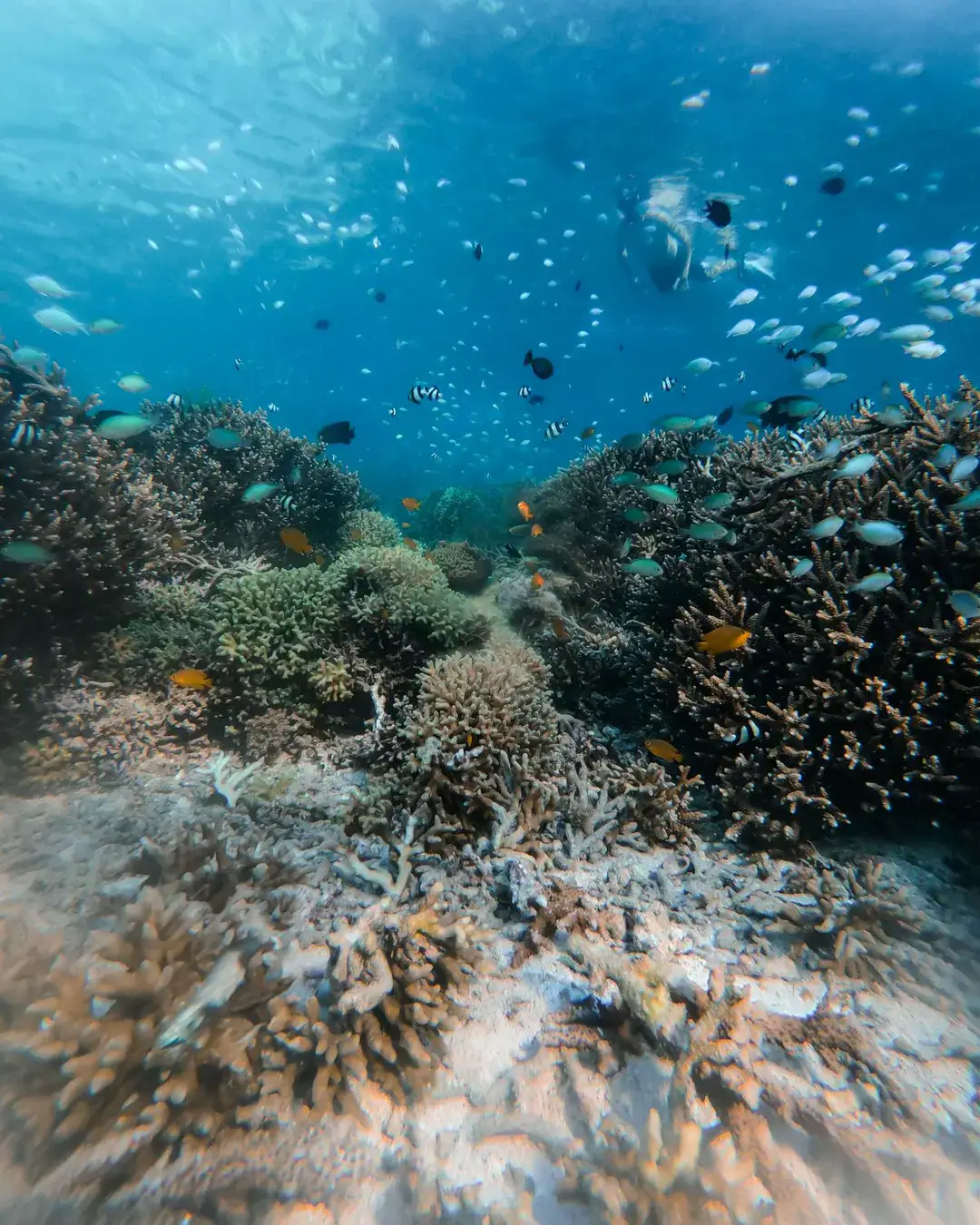
With the sea state at its calmest, captains can safely navigate to exposed, world-class dive sites like Melissa's Garden, renowned for its unbelievable hard coral diversity and vibrant marine life. Without the interference of heavy swells, diving tenders can drop guests directly over these submerged pinnacles with absolute precision.
From November to April, plankton blooms in the Dampier Strait draw massive aggregations of mantas to cleaning stations like Manta Sandy. The underwater visibility during these months is also at its peak, frequently exceeding 20 to 30 meters (65 to 100 feet), allowing underwater photographers to capture the vibrant reefscapes and pelagic action in crystal-clear detail.
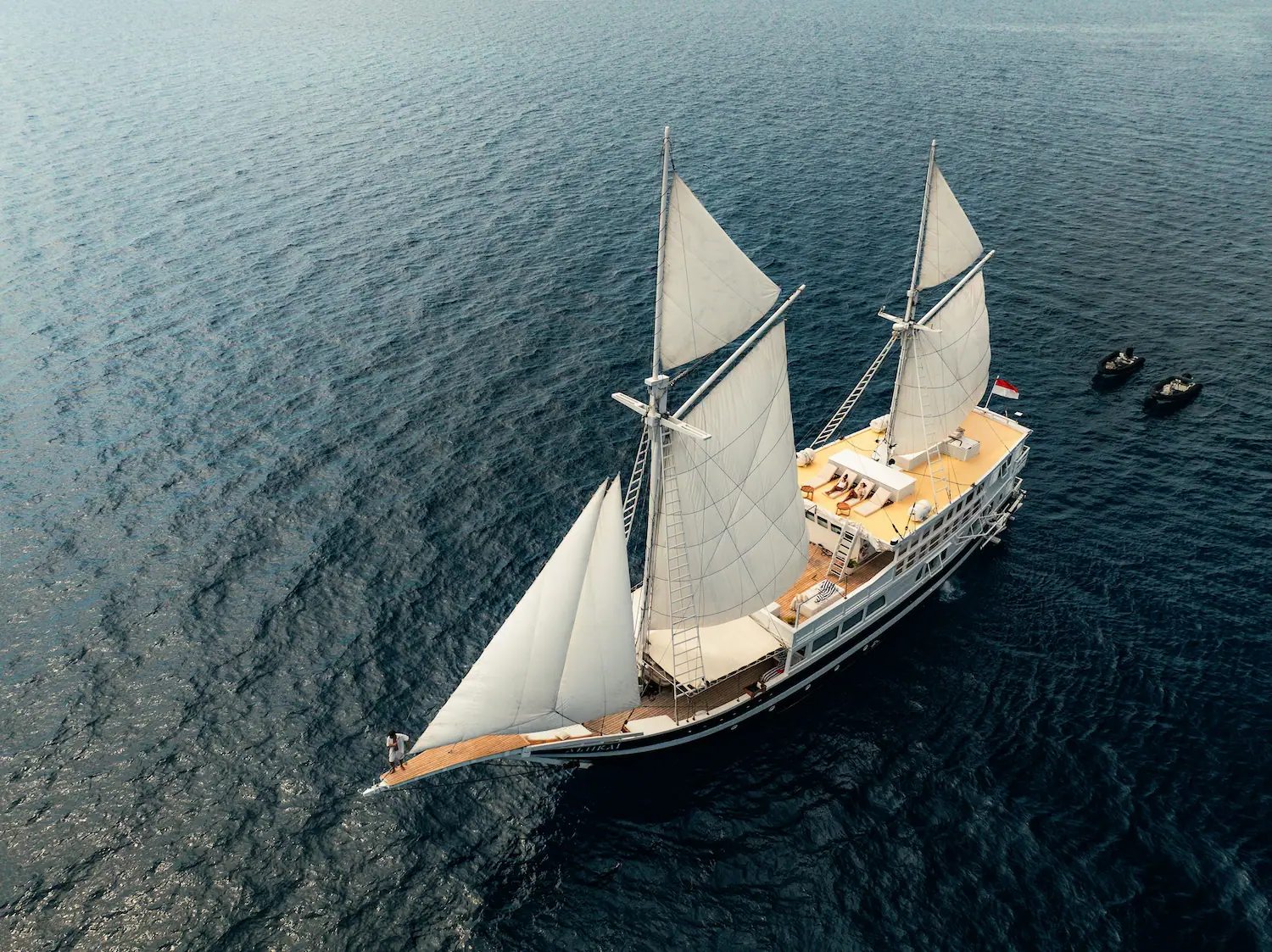
January and February are often highlighted as the absolute pinnacle of the cruising season, offering an immaculate balance of sunny skies, flat oceans, and phenomenal marine encounters, making it the most sought-after (and consequently, the most fully booked) time for Raja Ampat luxury yacht charters.
Tips to Planning Journey in Raja Ampat
Embarking on a liveaboard expedition to the edge of the world requires a detail planning. To ensure your voyage is as seamless and spectacular as the destination itself you can consider these tips:
Book Well in Advance
Because the prime cruising season is effectively limited to a six-month window (November to April), Raja Ampat luxury yacht books out incredibly fast. If you are aiming for the peak months of January or February, or if you plan to charter a full vessel for a private group, it’s good to secure your booking at least 12 to 18 months in advance.
Choose Your Itinerary Wisely
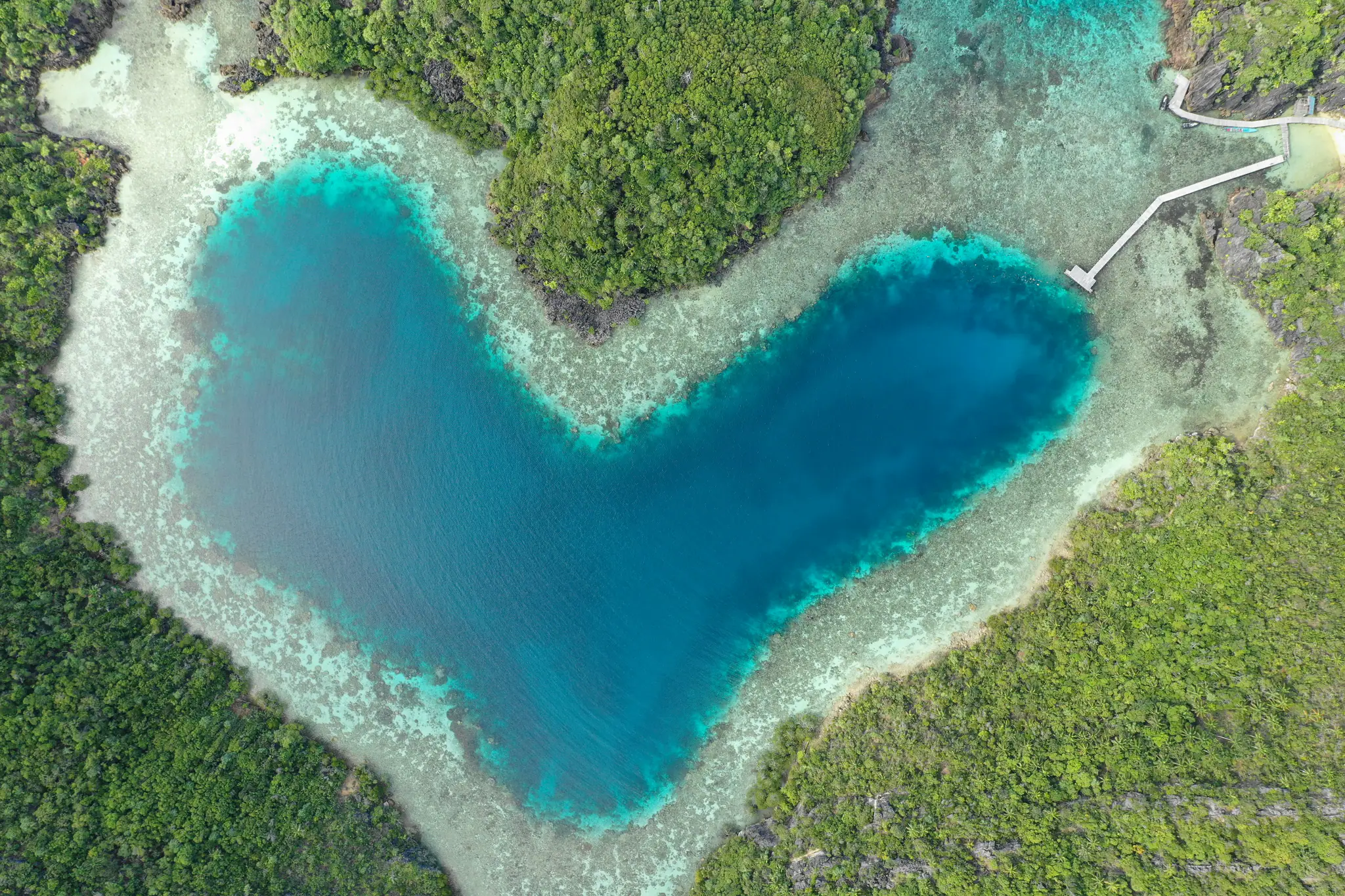
Raja Ampat is vast, and a standard 7-to-10-night liveaboard cannot cover the entire region. If you want dramatic karst landscapes above water and high-energy drift dives, look for northern itineraries that focus on Dampier Strait.
Meanwhile for those are searching for the most vibrant, colorful soft corals on earth and immense schools of fish, ensure your itinerary heavily features Misool in the south. Please choose wisely before you go on Raja Ampat liveaboard.
Pack for the Microclimate
While you will spend most of your time enjoying Raja Ampat diving, the equatorial weather demands specific gear. Pack a lightweight, high-quality rain jacket or windbreaker; this is essential for staying warm on small tender boats when returning from a late afternoon dive during a sudden rain squall.
Also, be sure to pack plenty of reef-safe sunscreen and sunglasses to protect yourself from the intense equatorial sun.
Prepare for Seasickness
If you are prone to motion sickness, come prepared the medicine. Pack over-the-counter medications or consult your doctor for prescription patches. The yachts are stable, but it is always better to have the medication and not need it than to miss out on spectacular diving due to nausea.
Ensure Adequate Insurance
Raja Ampat is exceptionally remote. The nearest hyperbaric chambers are in Sorong or Waisai, and emergency medical evacuations are complex and expensive. Reputable liveaboards will require proof of comprehensive dive insurance before allowing you to board. Ensure your policy explicitly covers emergency evacuation from remote locations.
Final Thoughts on Best Time to Visit Raja Ampat