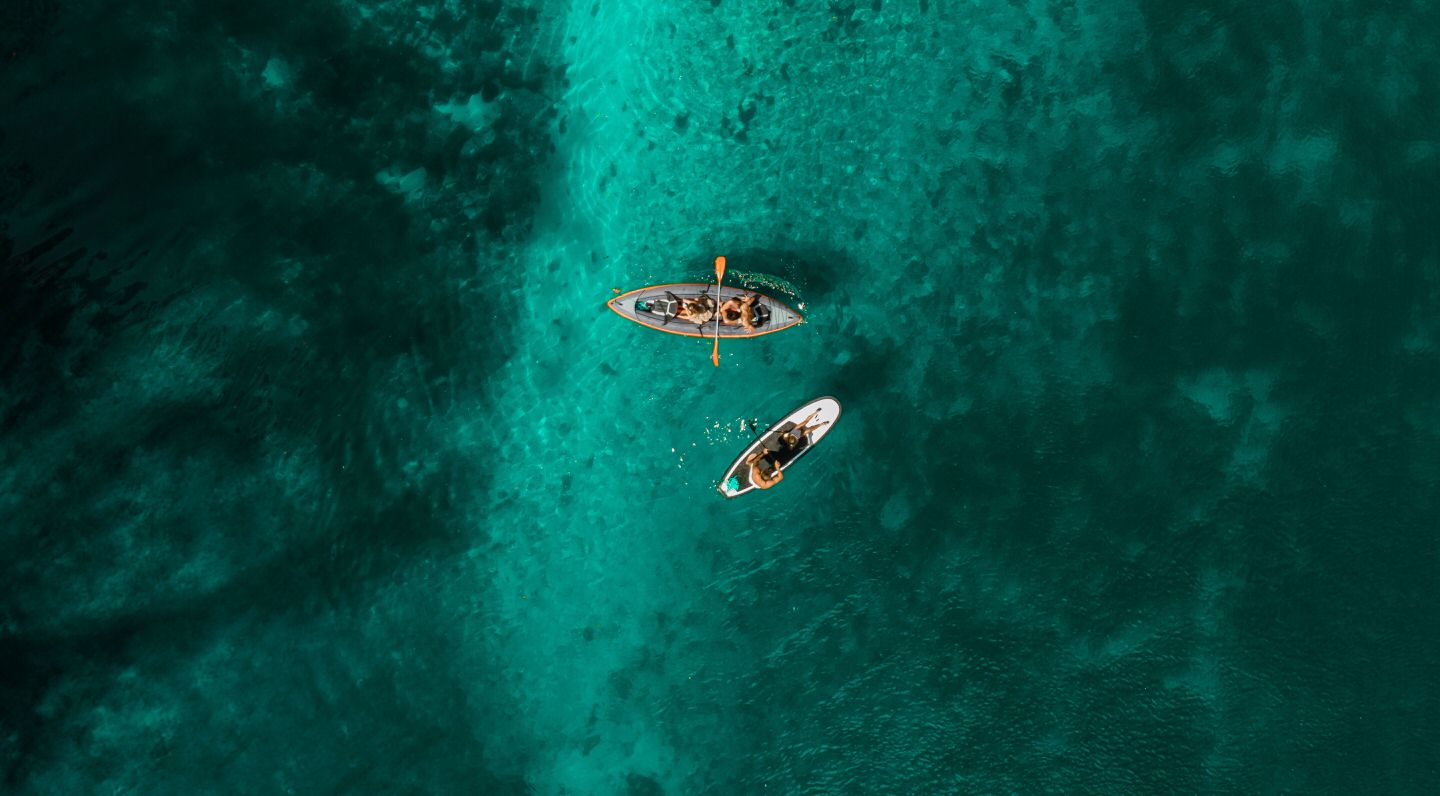
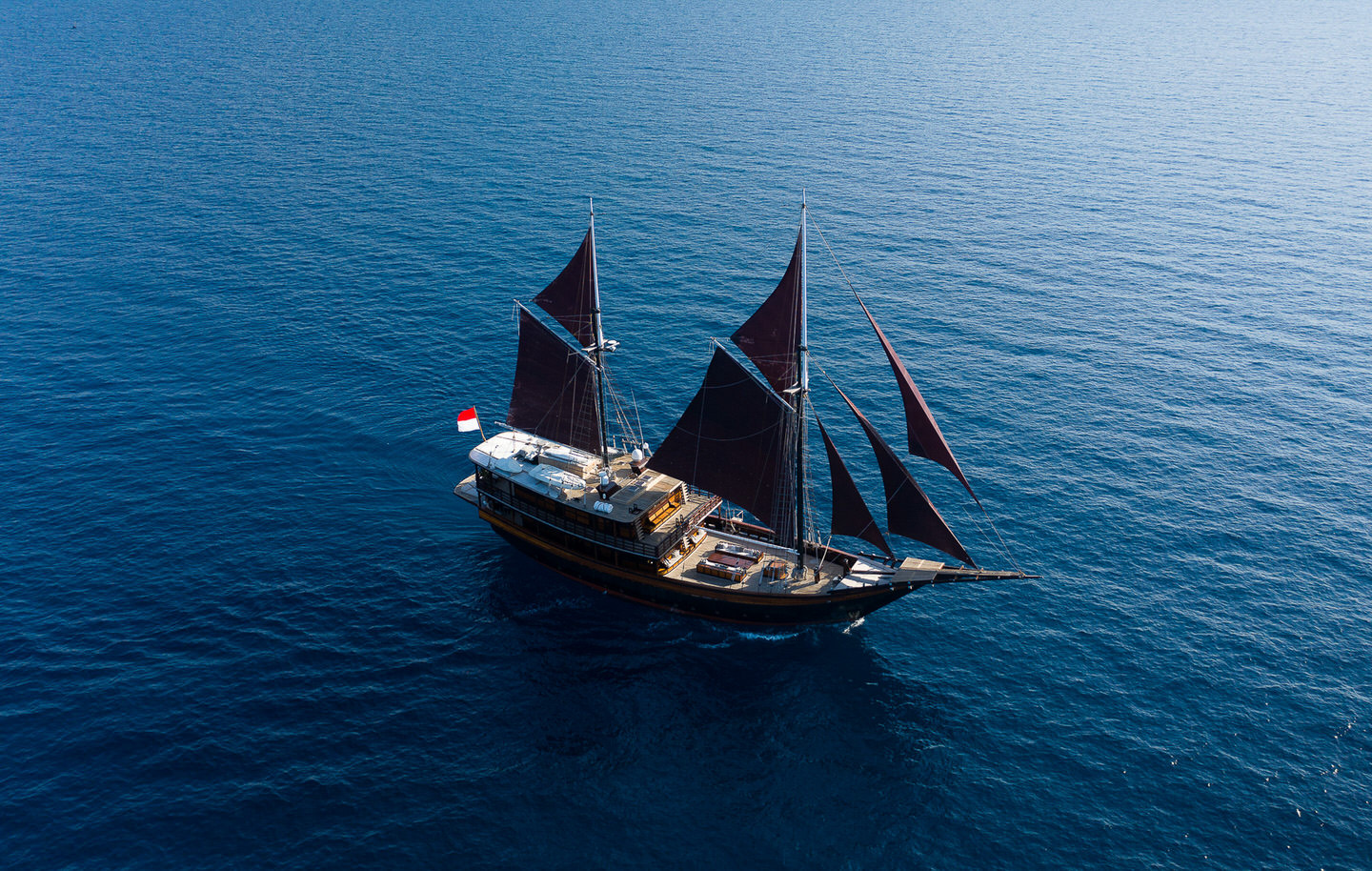
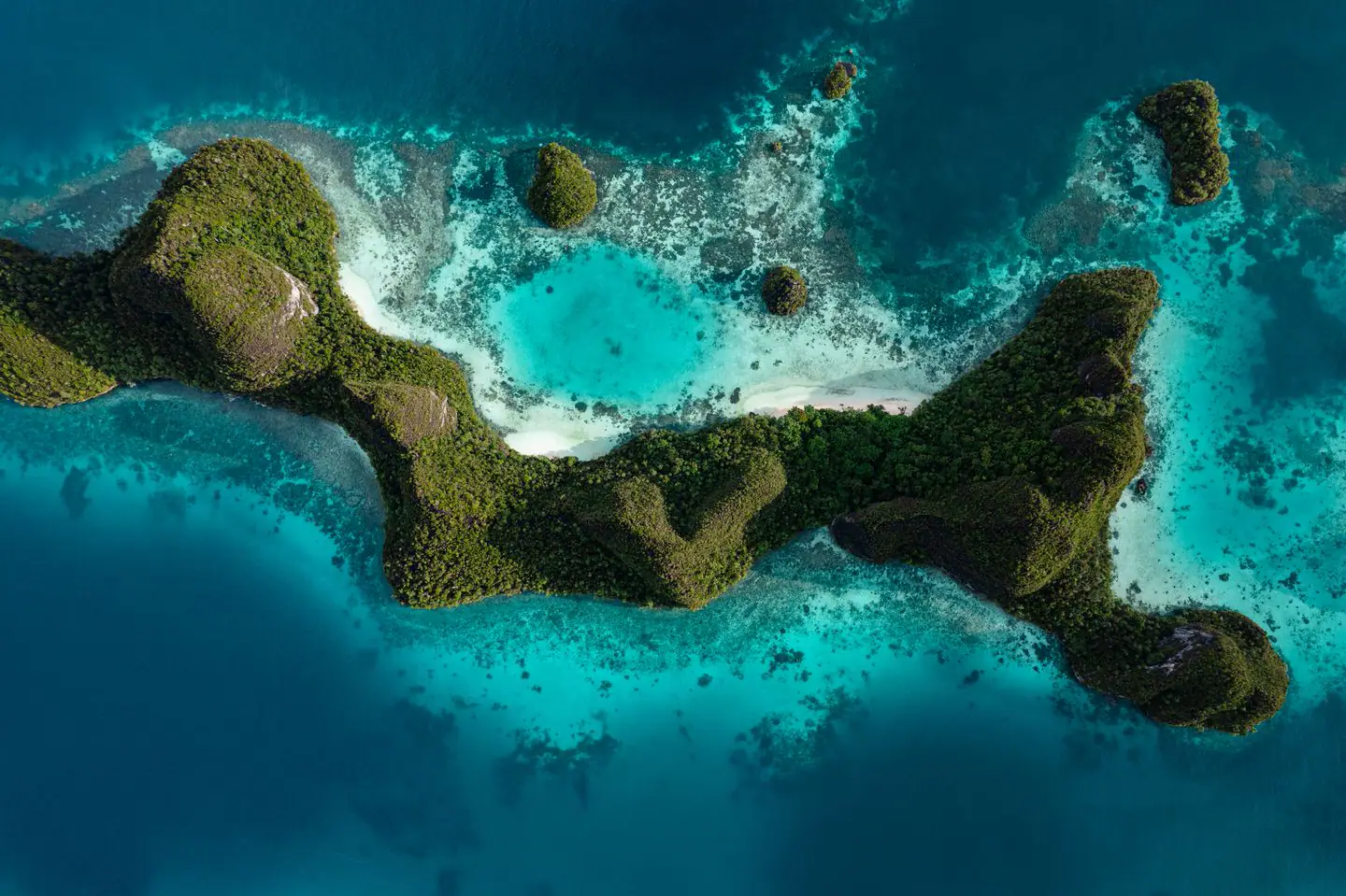
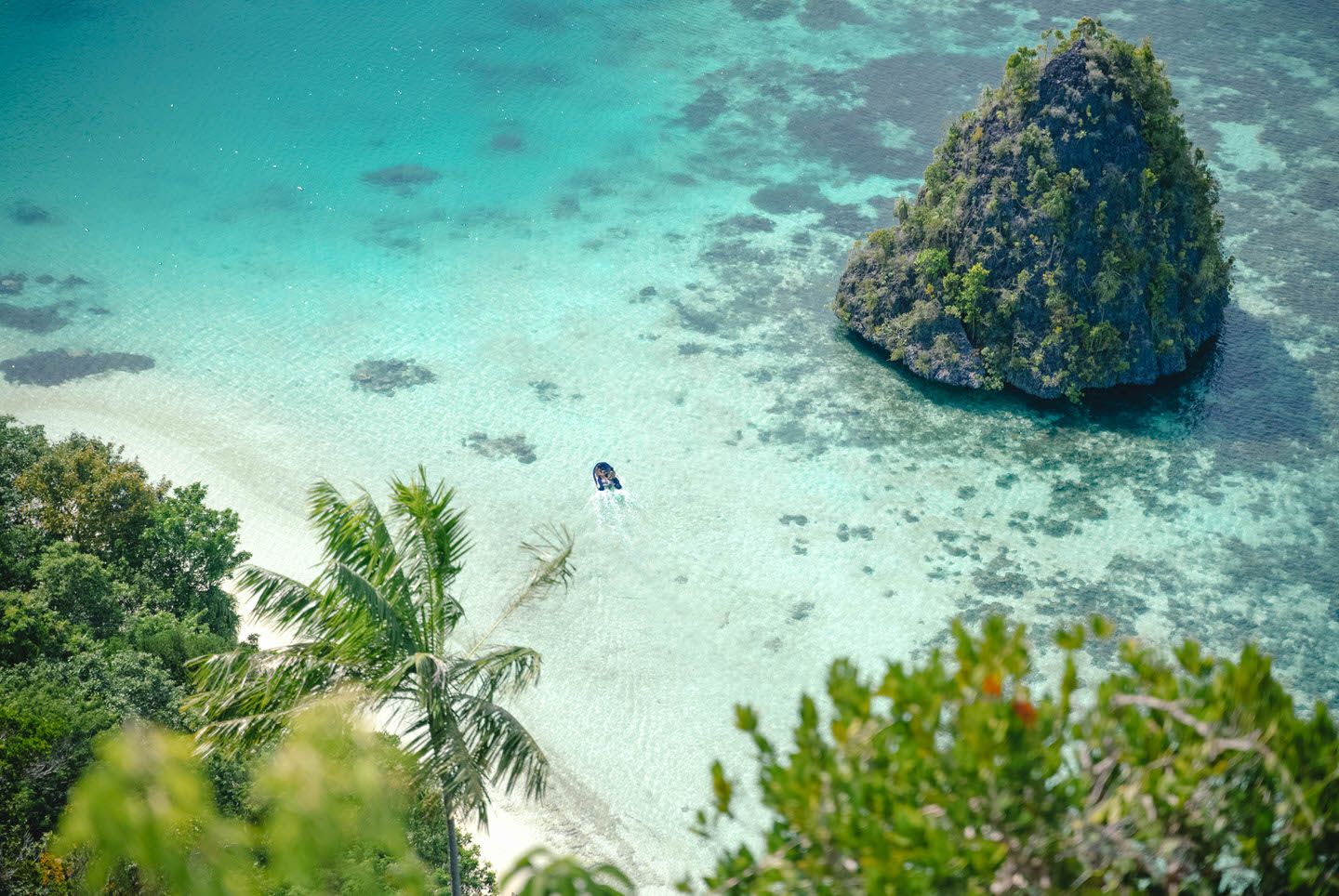
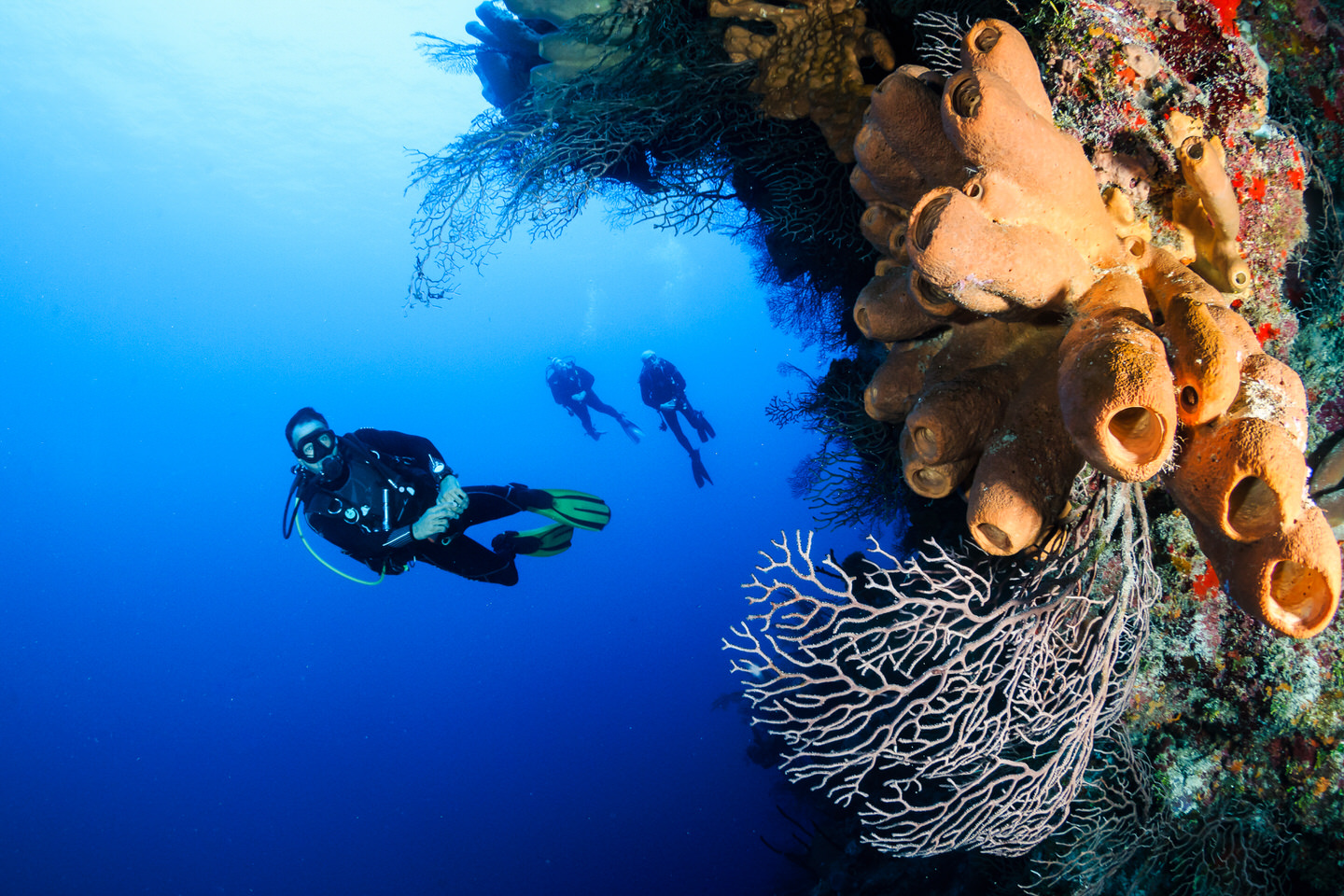
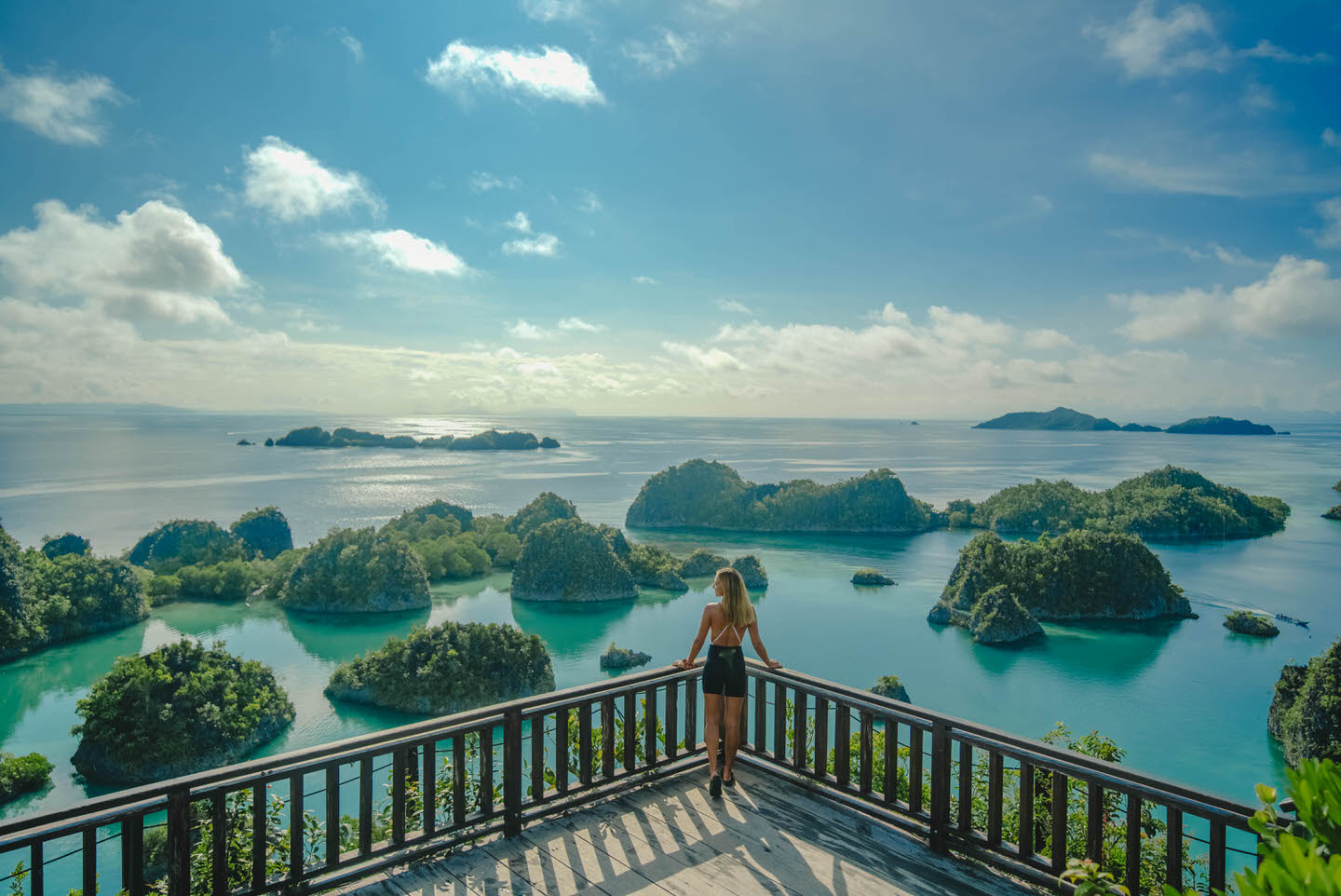
As part of the Coral Triangle, the archipelago boasts a diverse ecosystem teeming with both land and sea creatures. Tropical coral reefs, often called "rainforests of the sea," thrive here.
Coral reefs host an incredible range of marine and land species. Although they cover only 0.2 percent of the ocean, they support 25% of marine life.
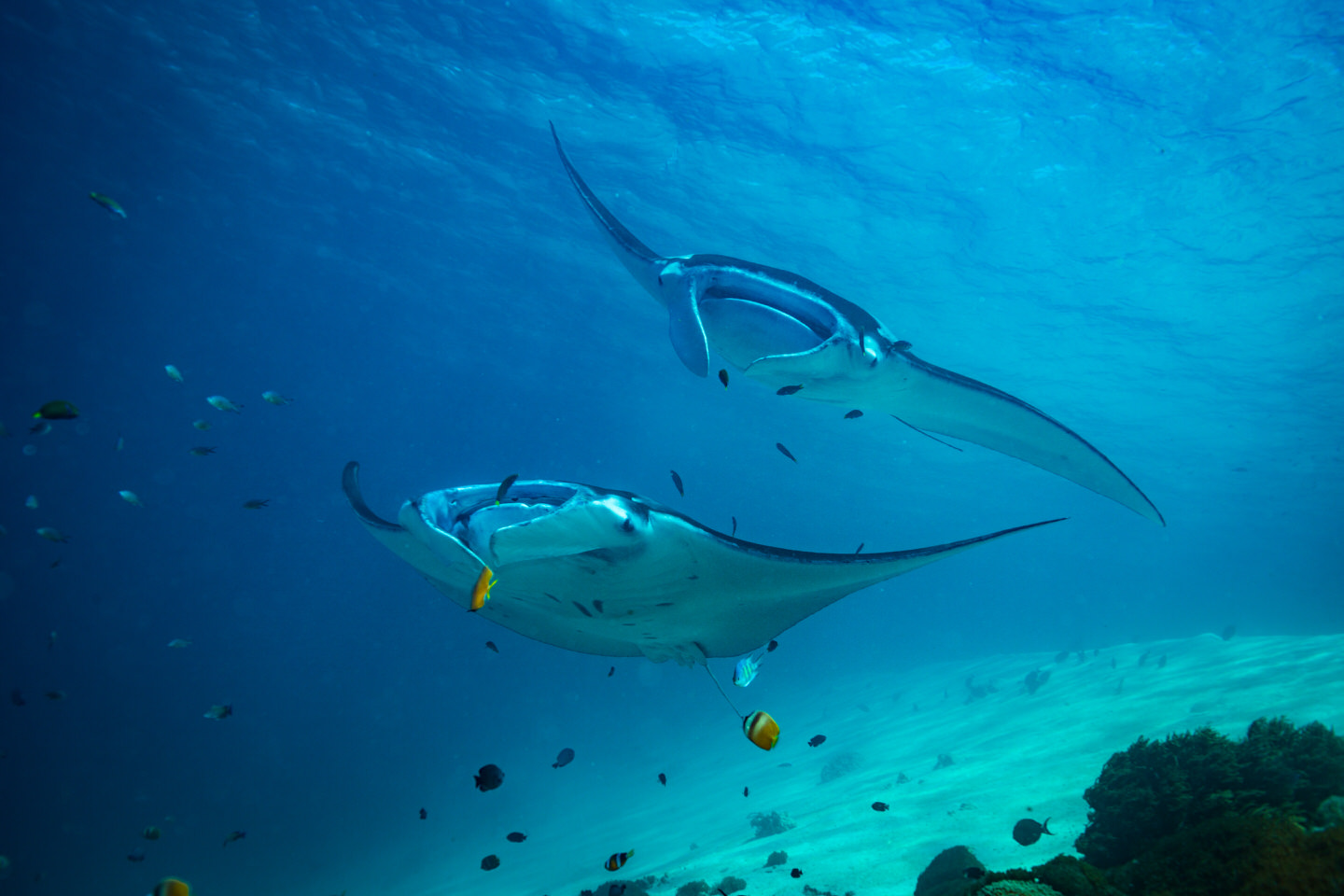
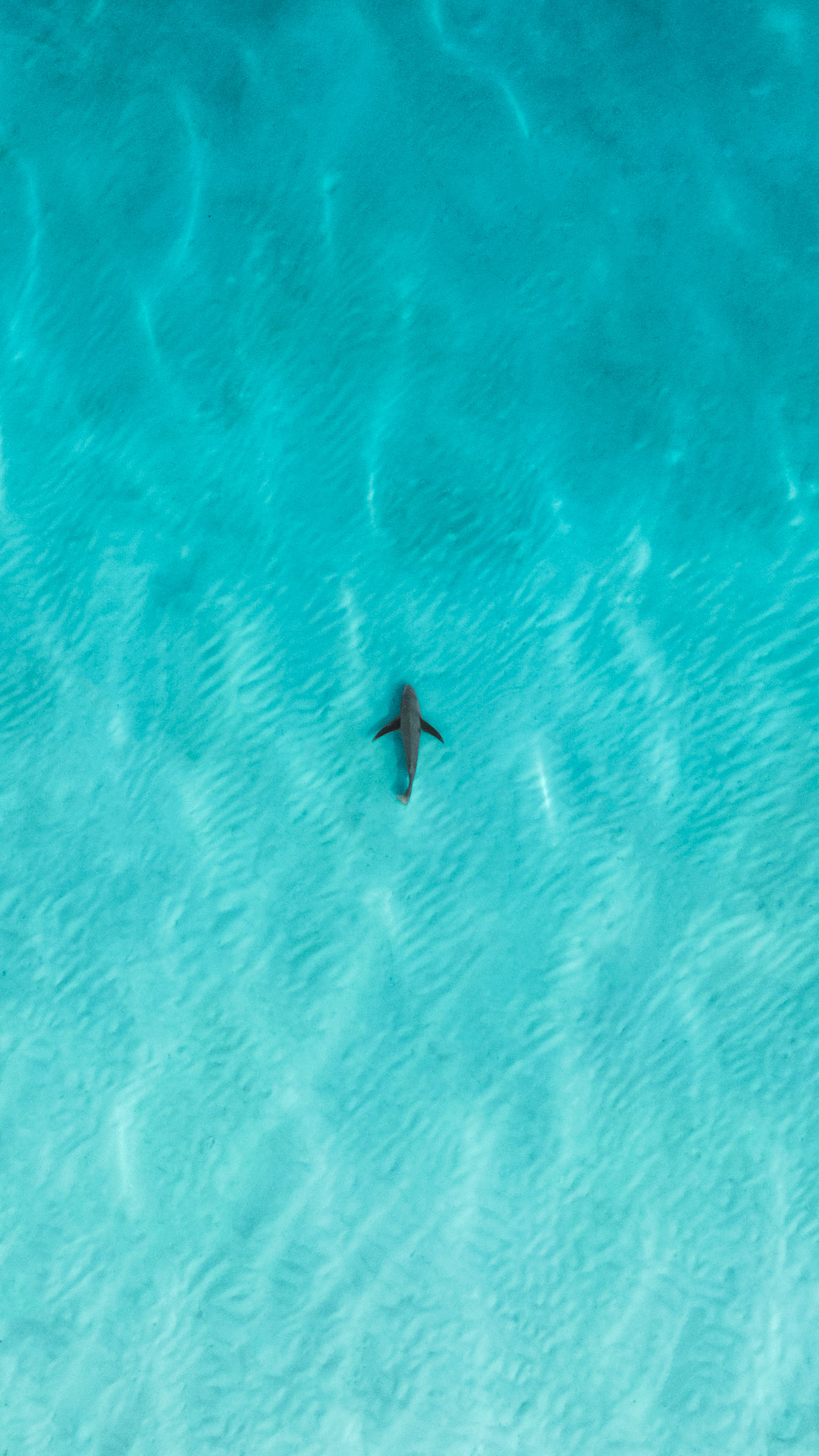
The Coral Triangle, where Raja Ampat lies, is a global hotspot. It spans parts of Indonesia, Malaysia, and the Philippines. These waters host manta rays, whale sharks, dolphins, and sea turtles. The reefs are home to 600 coral species and 3,000 reef fish.
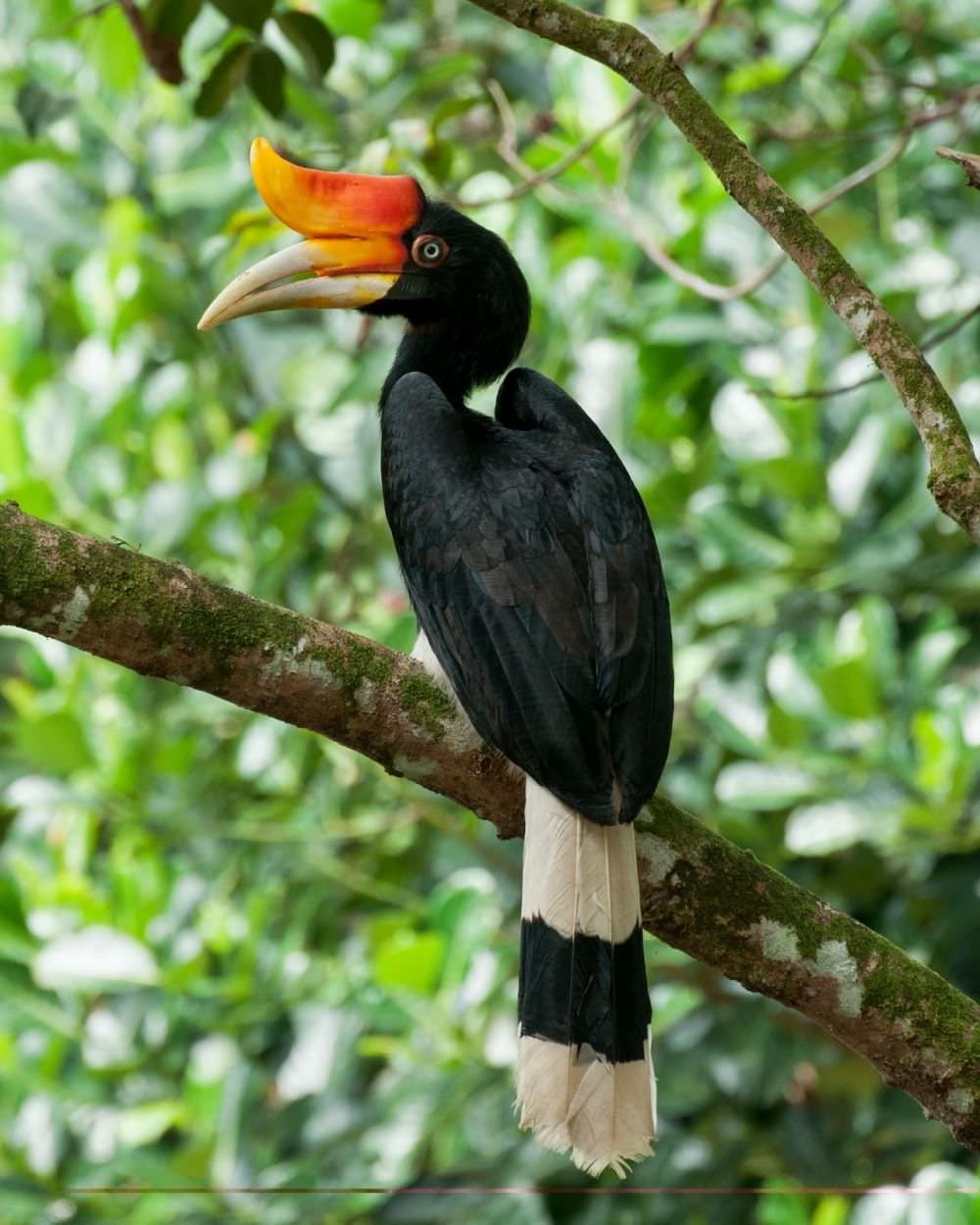
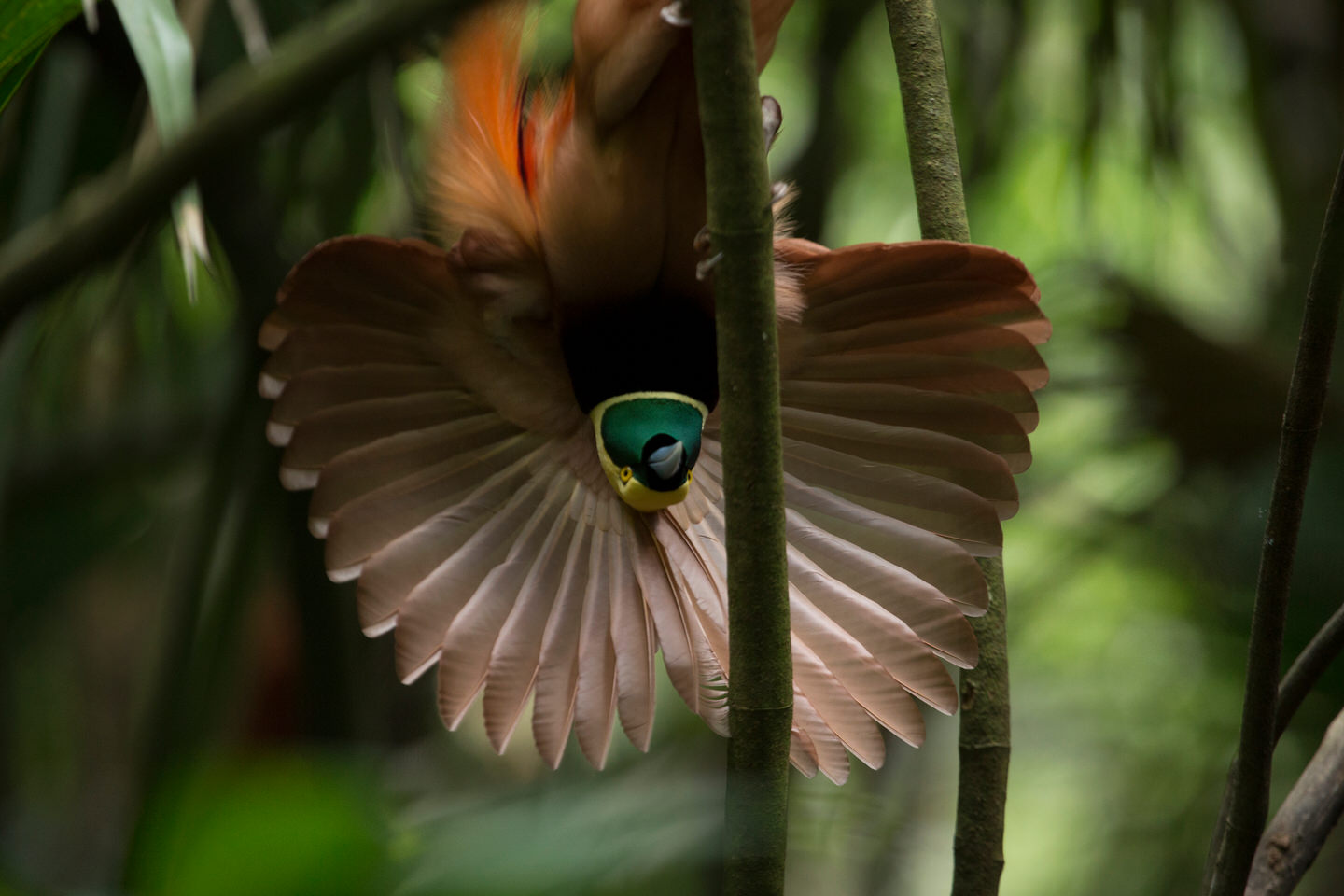
Meanwhile, tropical rainforests on land shelter rare mammals, reptiles, and vibrant birds. These include Wilson's Bird-of-Paradise and the Red Bird-of-Paradise
Scientists debate why this region has such diversity. Some believe coral species started here and then spread across the Indo-Pacific. Others think it’s due to species overlap between two oceans. Another theory suggests that Ice Age shifts isolated marine habitats and shaped new species over time.
The Coral Triangle’s diversity makes it a critical marine ecosystem. However, many species remain undocumented. Climate change, overfishing, and habitat loss threaten this rich environment. Conservation is key to preserving Raja Ampat’s beauty and biodiversity. This is why sustainable tourism practices in the region are a priority for us.


.jpg)